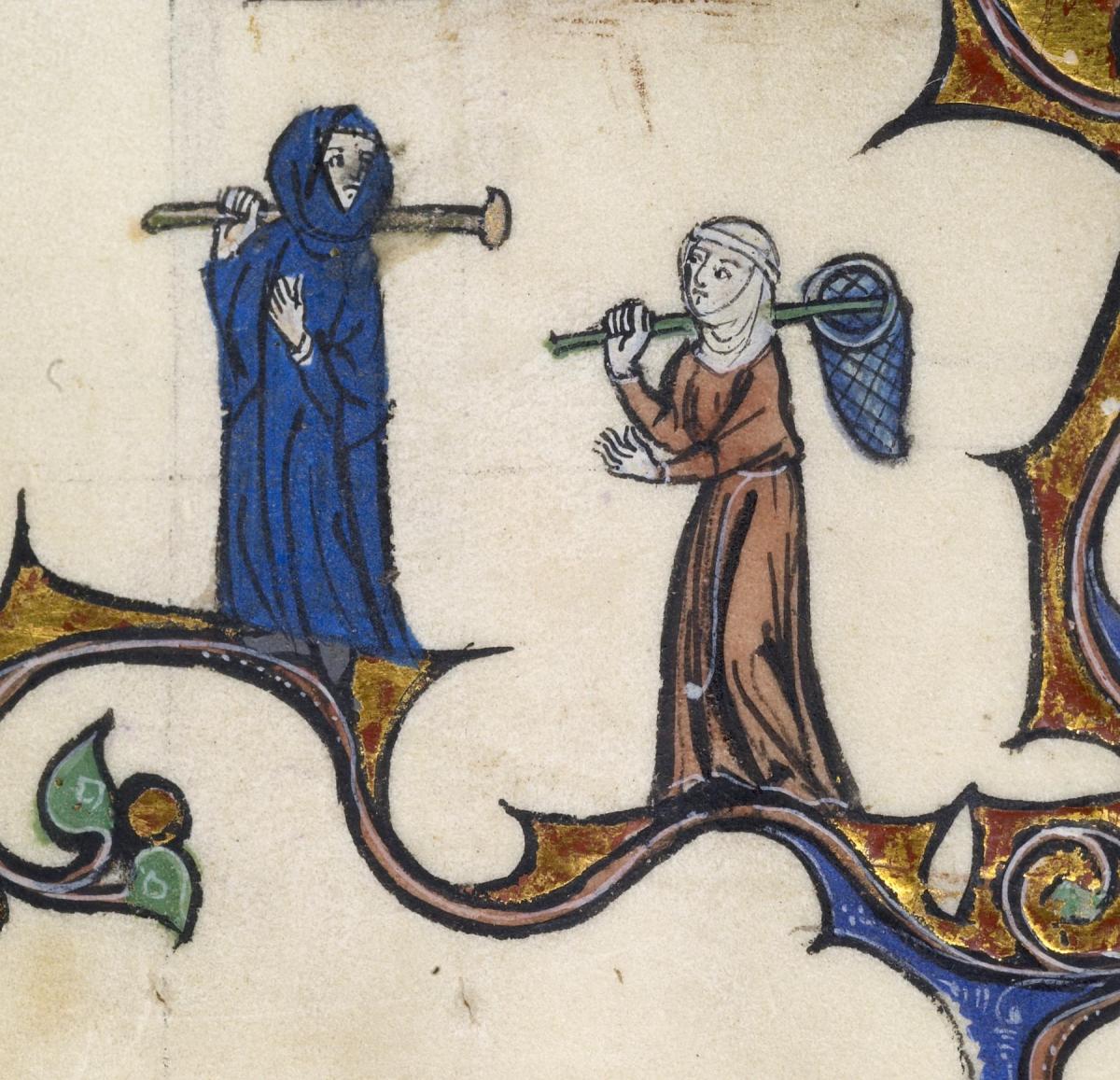
Madison Clyburn has written an essay entitled “Fashionable Science and the Hidden Collaboration in de Rabié’s Butterfly Designs,” which you can read here. The essay explores the work of René de Rabié, an 18th-century French engineer and naturalist in Saint Domingue, who created a collection of butterfly and insect watercolours without using their Linnean names, instead giving them French or Kréyol names inspired by their appearance. Although de Rabié was not a professional naturalist, his collection reflects the fashionable pursuit of documenting nature in his time, often relying on the labor of enslaved individuals to capture and care for the specimens he painted. The essay details the methods used for capturing and preserving butterflies, from nets and poison bottles to raising caterpillars, and considers the hidden collaboration involved in assembling such a natural history collection. It also highlights the practice of lepidochromy, a decorative art using butterfly wings, which de Rabié did not adopt but whose techniques inform our understanding of his artistic process.
Categories
Essay: Fashionable Science and the Hidden Collaboration in de Rabié’s Butterfly Designs
 Hidden Hands in Colonial Natural Histories