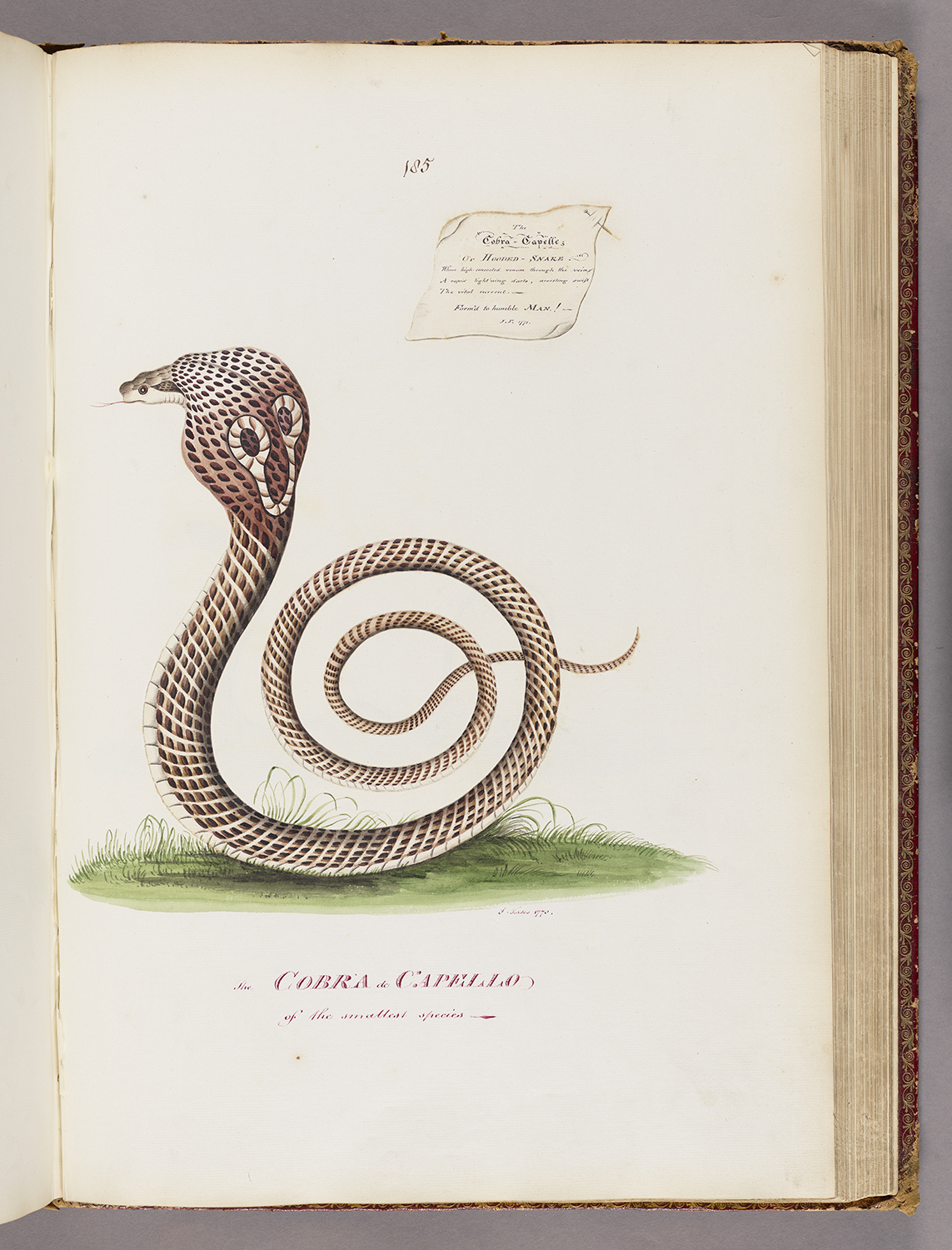
Dr. Anna Winterbottom has written an essay, which you can read here, exploring the hidden hands behind James Forbes’ (1749-1819) extensive natural history collections during his time in India. Forbes acknowledges the help of various Indian individuals, but seldom names them, instead identifying them by group identity—servants, enslaved people, and local advisors. While these individuals played key roles in collecting, drawing, and interpreting natural specimens for Forbes, only the names of key figures such as Forbes’ gardener Harabhai, his Muslim servant Mahomet, and his advisor Raji Singh, are known. It highlights how even though Forbes relied on indigenous knowledge and labor to collect and document India’s natural history, his records minimize or obscure their contributions. The involvement of Forbes’ family, especially his sisters and daughter, in his work and legacy is also examined, emphasizing their often unacknowledged efforts in shaping Forbes’ collections and legacy.
Categories
Essay: Hidden Hands in the James Forbes Archive
 Hidden Hands in Colonial Natural Histories