Categories
Events India

Exhibition by the Bombay Natural History Society

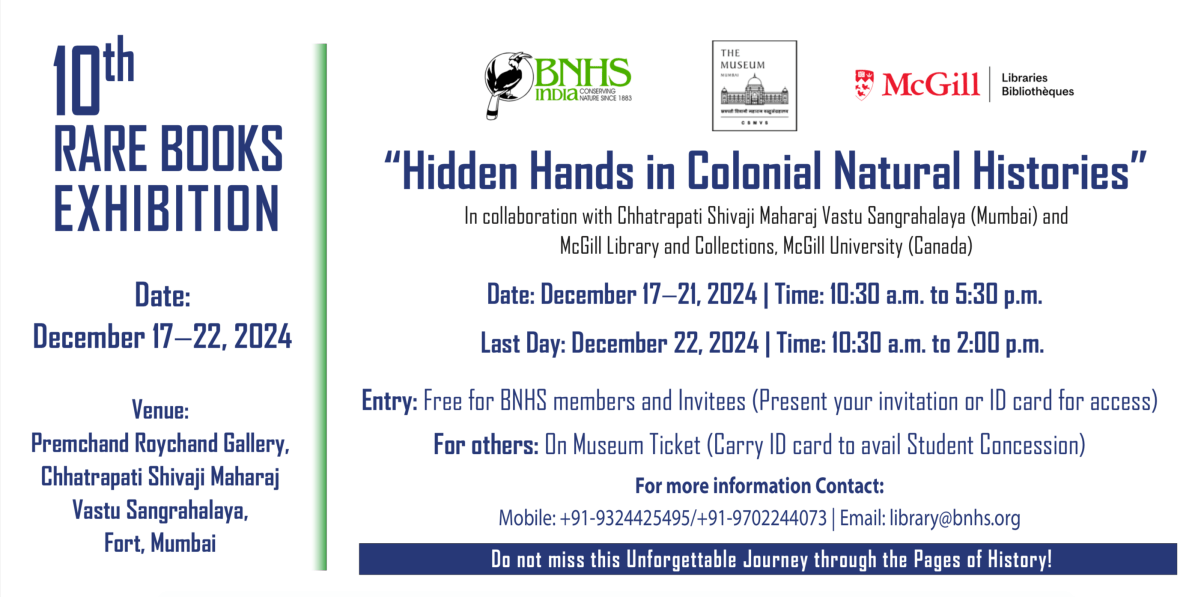
Recently, the Bombay Natural History Society held an exhibition entitled the “10th Rare Books Exhibition.” It was viewable between December 17th-22nd, 2024, at the Premchand Roychand Gallery, in the Chhatrapati Shivaji Maharaj Vastu Sangrahalaya Museum in Fort, Mumbai, India. You can view a digital version of the exhibition on our website, here.

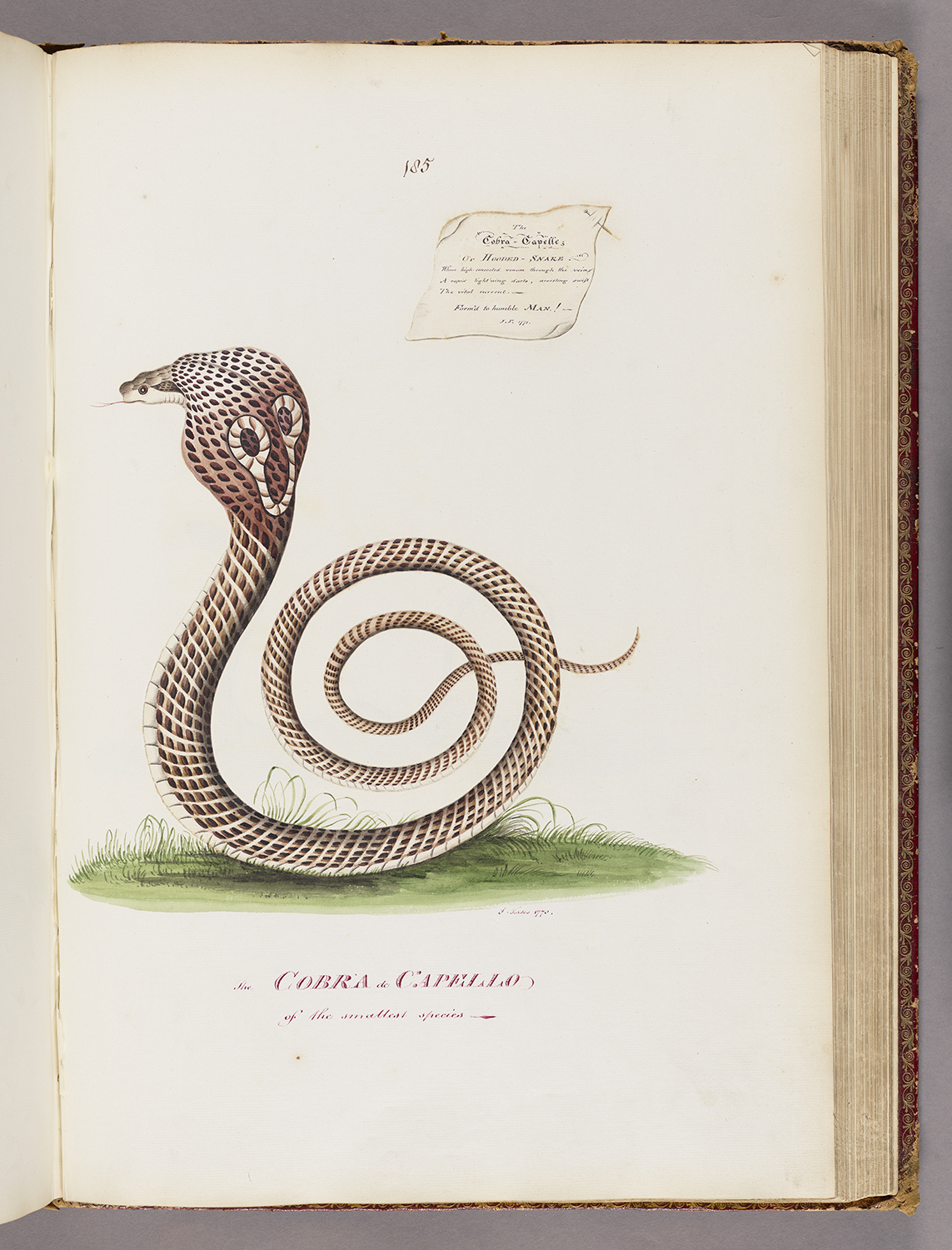
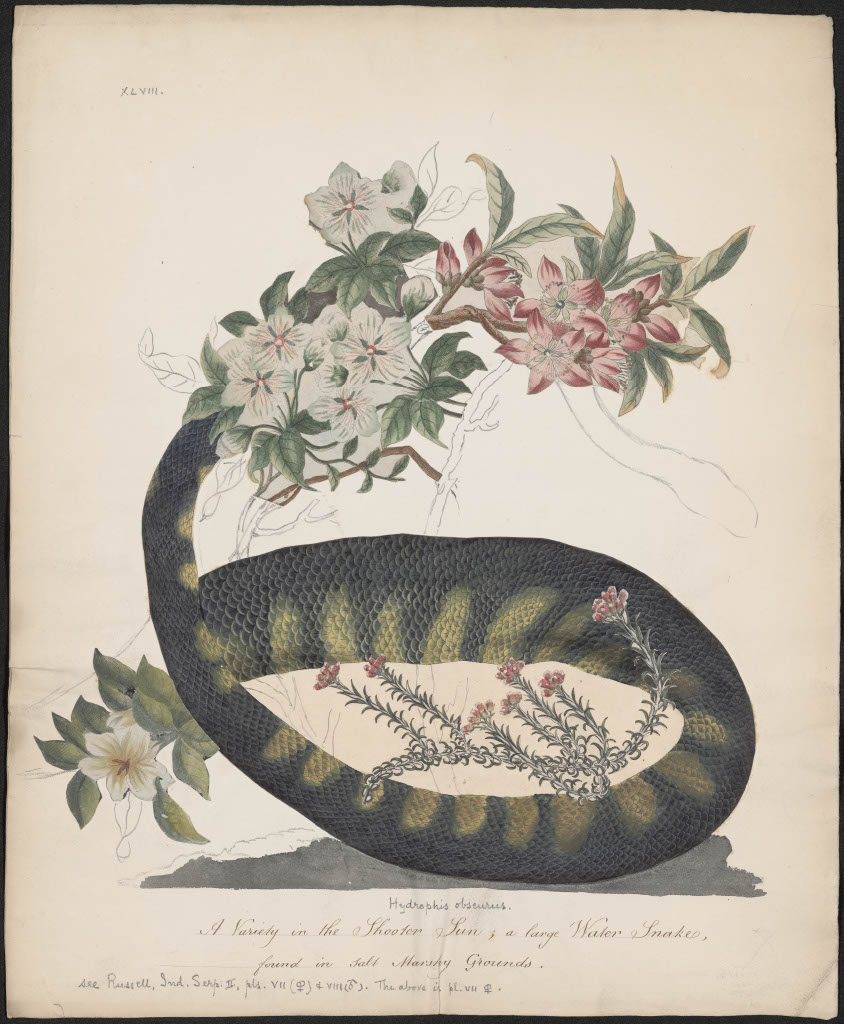
The exhibition, which featured a display of rare books, was held in collaboration with McGill University Libraries. Some notable material on display included first edition copies of works by prominent naturalists from the 19th century such as Patrick Russel, John Gould, and Nathaniel Wallich. The exhibition also included natural history illustrations, including illustrations from field guides by John Gould, and James Forbes.

A variety of publications covered this exhibition, you can find the links in the newsfeed of our website, here.

Categories
About

Photo Essay: Blacker Wood Natural History Collection

Matthew Barreto has written an essay, which can be read here, about Clovis-Alexandre Desvarieux’s October 2023 visit to the Blacker Wood Natural History Collection at the McGill Library. The essay is accompanied by photos taken by Alex Tran.

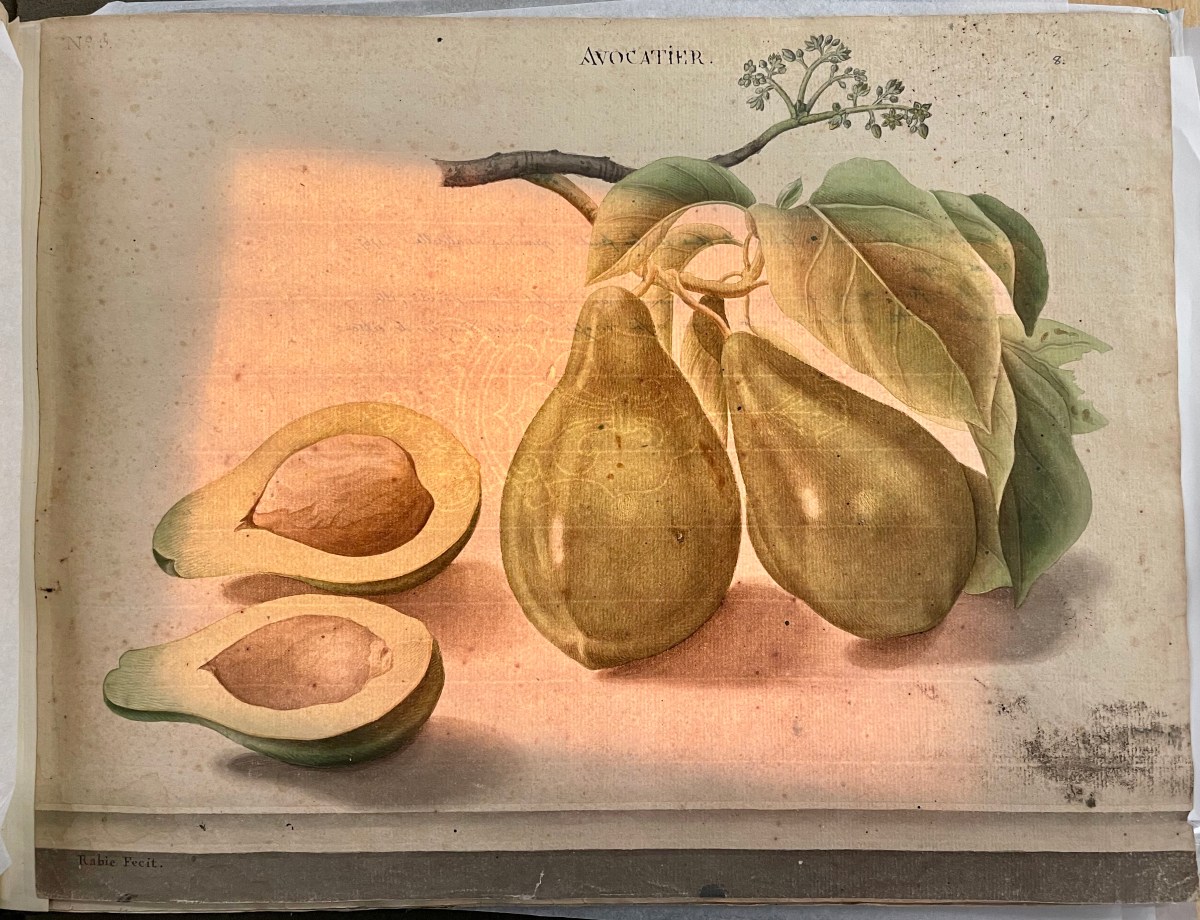
During his visit, Clovis-Alexandre explored the 18th-century natural history drawings of René-Gabriel de Rabié, which depict the rich biodiversity of Saint-Domingue (modern-day Haiti). The essay highlights Clovis-Alexandre’s reflections on de Rabié’s work, especially its delicate balance between documenting the island’s natural beauty and the impact of colonialism. From the intricate watercolours of fish, birds, and plants to the relationship between enslaved workers and the collection’s specimens, Clovis brings his unique perspective to this historic archive. His insights also draw attention to the ongoing ecological challenges in Haiti, making connections between the historical drawings and the modern environmental landscape. The essay emphasizes the importance of preserving both the artwork and the traditional environmental knowledge it contains.

Categories
India

Essay: Forbes’ Collage Practice

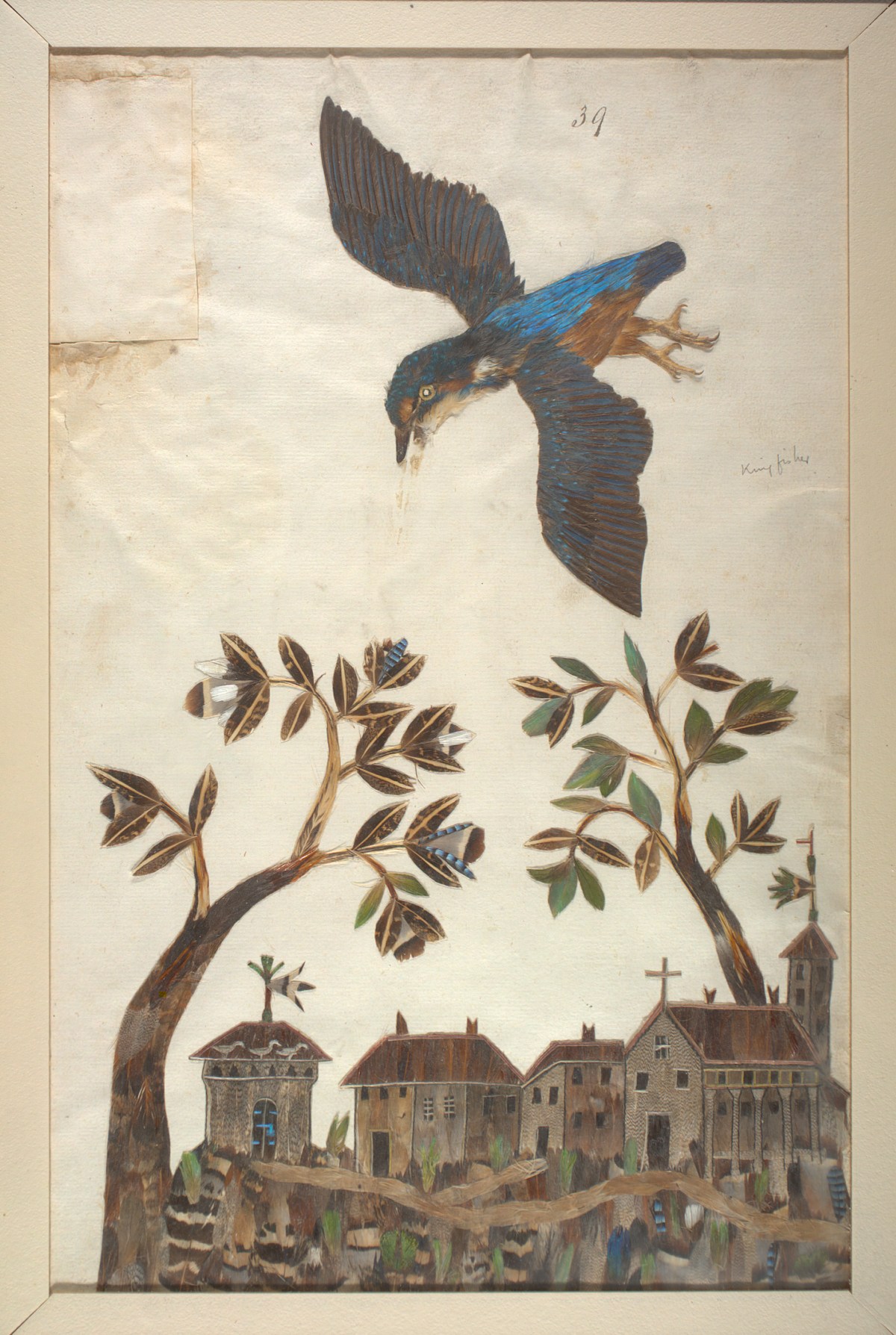
Madison Clyburn has written an essay, which you can read here, entitled “Forbes’ Collage Practice: Techniques and Materials.” The essay traces the origins of mixed media paper based art, which was not called collage until the 20th century. It contextualizes Forbes’ collages, which reflect the 18th-19th-century interest in amateur natural history. His works, often shared with family members, were lap-sized and intended for private enjoyment rather than publication. The essay discusses the techniques, methods, and materials used by contemporaries of Forbes, explaining the most likely ways in which Forbes created his collages.

Categories
India

Essay: Forbes’ Decorative Ecology at the Intersection of Art and Natural History

Madison Clyburn has written an essay, which you can read here, exploring the intersection of art and natural history in James Forbes’ collages. Forbes cut, pasted, and adapted illustrations, drawing heavily on the often uncredited artistic contributions of Indian painters. His work embodies both the cultural exchange and the exploitation inherent in colonial interactions, as he reimagined Indian art within a European framework, reflecting the broader imperial practice of extracting and reshaping colonized knowledge and aesthetics for Western consumption.

Categories
India

Essay: Forbes’ Ornamental Feather Art

Madison Clyburn has written an essay, which you can read here, entitled “Forbes’ Ornamental Feather Art: Nature Printing as Collage.” The essay discusses how James Forbes’ use of ornamental feather art is part of a longer tradition of featherwork that spans cultures and centuries. Collage techniques were already in use in 12th-century Japan, and feather art was prevalent across various cultures, including Mesoamerica, China, India, and Europe. Featherworks were used for both spiritual and decorative purposes, ranging from peacock feather-adorned musical instruments in India to luxurious feather mosaics in Mesoamerica. Forbes’ feather art exemplifies the European fascination with feathers in the 18th and 19th centuries, which spurred a global feather trade. During this time, nature printing using feathers, butterfly wings, and even fish skins became a popular artistic technique. Nature printing has an enduring appeal which has evolved, through time and across cultures, as both an artistic and ornamental practice.

Categories
India

Essay: Hidden Hands in the James Forbes Archive

Dr. Anna Winterbottom has written an essay, which you can read here, exploring the hidden hands behind James Forbes’ (1749-1819) extensive natural history collections during his time in India. Forbes acknowledges the help of various Indian individuals, but seldom names them, instead identifying them by group identity—servants, enslaved people, and local advisors. While these individuals played key roles in collecting, drawing, and interpreting natural specimens for Forbes, only the names of key figures such as Forbes’ gardener Harabhai, his Muslim servant Mahomet, and his advisor Raji Singh, are known. It highlights how even though Forbes relied on indigenous knowledge and labor to collect and document India’s natural history, his records minimize or obscure their contributions. The involvement of Forbes’ family, especially his sisters and daughter, in his work and legacy is also examined, emphasizing their often unacknowledged efforts in shaping Forbes’ collections and legacy.

Categories
Events

Event: Hidden Hands at daphne

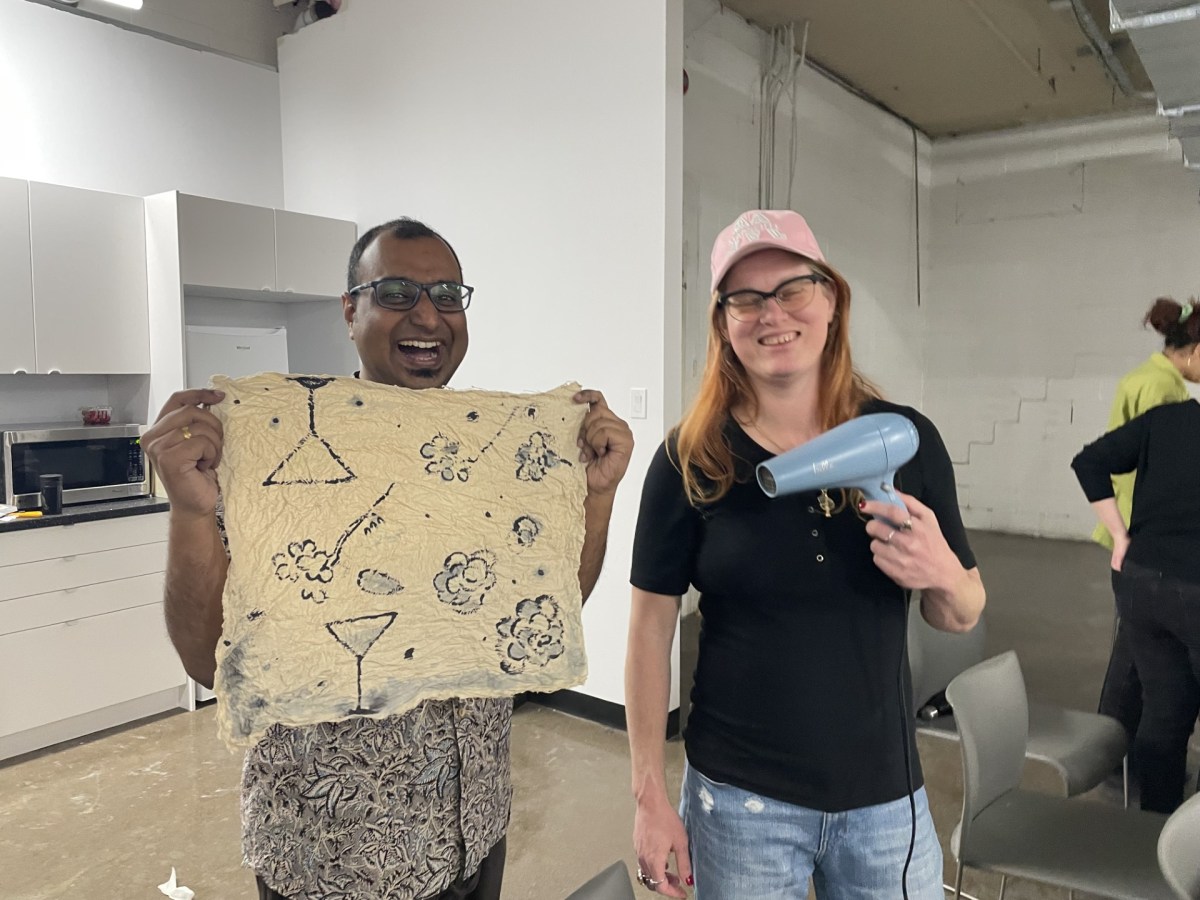
The McGill-based “Hidden Hands in Colonial Natural Histories” project organized a workshop and roundtable in collaboration with daphne, a small Indigenous-run art gallery. The event took place on May 9th, 2024, in daphne’s space in Mile End, Montreal/Tiohtià:ke. The aim of the day was to explore how practice-based methods could help us understand and reinterpret the historical materials that formed the starting point for the project.

You can see roundtable highlights, and read more about the event here

Categories
Haiti

Essay: Hidden Knowledge and Labour in de Rabié’s Flap Watercolours

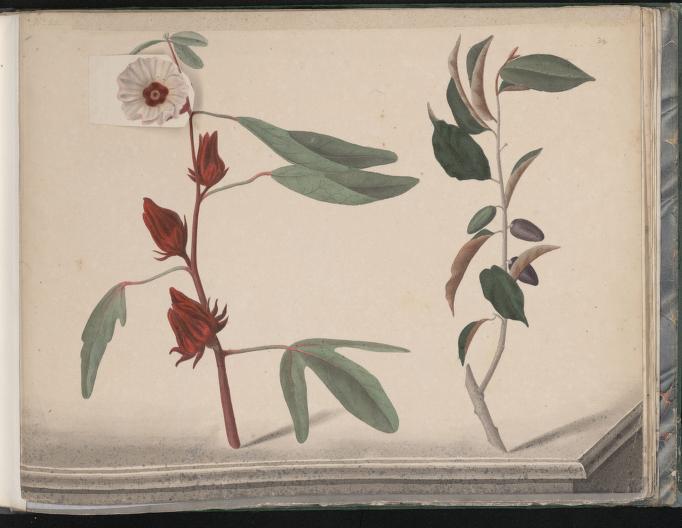
Madison Clyburn has written an essay entitled “Flowers, Forts, and Groves: Hidden Knowledge and Labour in de Rabié’s Flap Watercolours,” which you can read here. The essay discusses René de Rabié’s 1770 painting of the Roselle plant, a species transported from West Africa to the Caribbean through the transatlantic slave trade, using a unique “flap” technique to depict the plant’s flower in bloom. This method, which allows viewers to lift parts of the image to reveal hidden details, was widely used in 18th and 19th-century Europe for educational, moral, and entertainment purposes. De Rabié’s works, including his flap watercolours of plants and architectural plans in Le Cap, demonstrate how such interactive images could document and disseminate information, often concealing the critical knowledge and labor of enslaved people who made these projects possible.

Categories
Haiti

Essay: Fashionable Science and the Hidden Collaboration in de Rabié’s Butterfly Designs

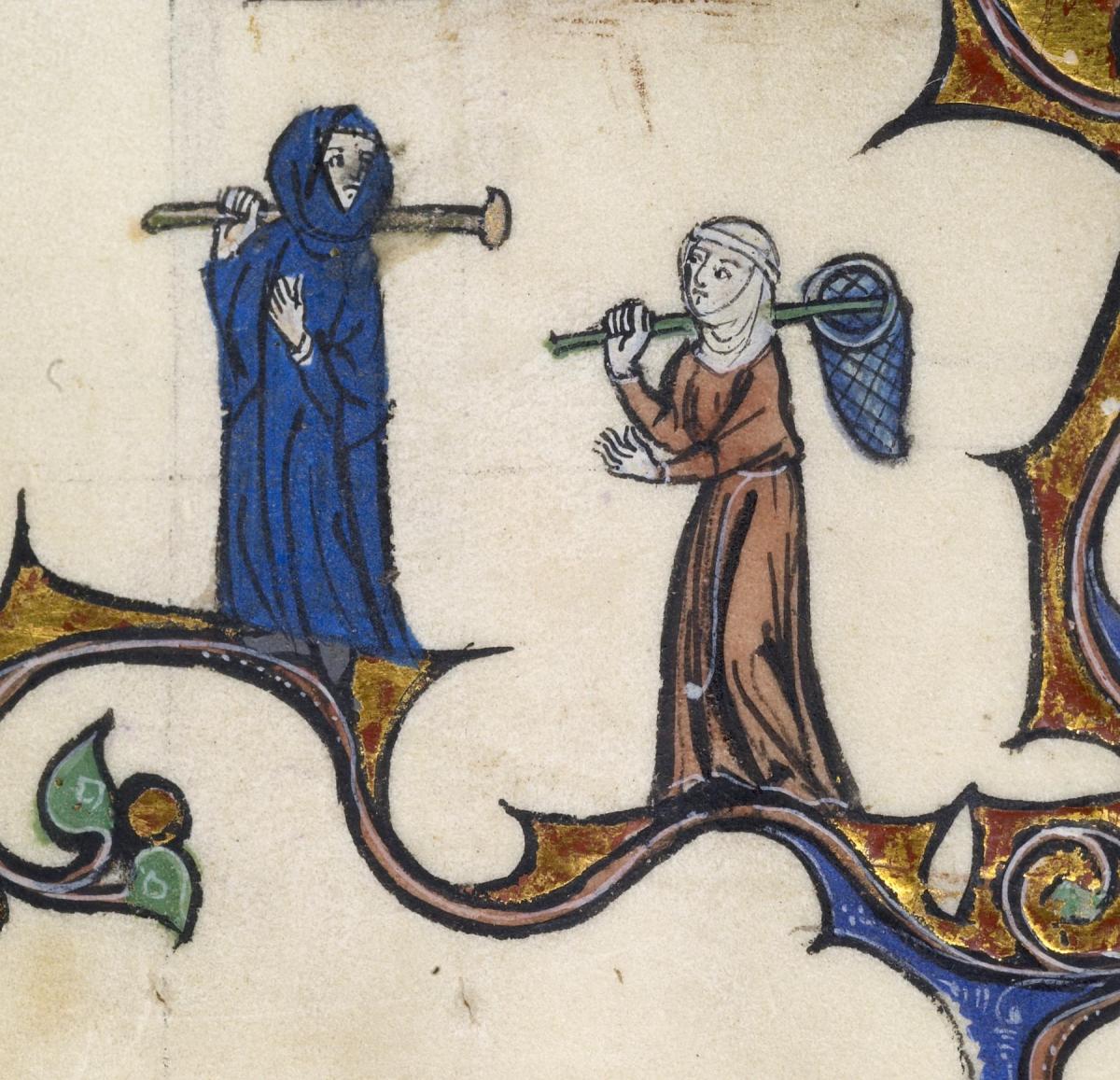
Madison Clyburn has written an essay entitled “Fashionable Science and the Hidden Collaboration in de Rabié’s Butterfly Designs,” which you can read here. The essay explores the work of René de Rabié, an 18th-century French engineer and naturalist in Saint Domingue, who created a collection of butterfly and insect watercolours without using their Linnean names, instead giving them French or Kréyol names inspired by their appearance. Although de Rabié was not a professional naturalist, his collection reflects the fashionable pursuit of documenting nature in his time, often relying on the labor of enslaved individuals to capture and care for the specimens he painted. The essay details the methods used for capturing and preserving butterflies, from nets and poison bottles to raising caterpillars, and considers the hidden collaboration involved in assembling such a natural history collection. It also highlights the practice of lepidochromy, a decorative art using butterfly wings, which de Rabié did not adopt but whose techniques inform our understanding of his artistic process.

Categories
Haiti

Essay: Paper Production and Preservation in the Eighteenth Century

Madison Clyburn has written an essay entitled “Dangerously Ephemeral: Paper Production and Preservation in the Eighteenth Century,” which you can read here. The essay explores the challenges of preserving paper in the tropical climate of 18th-century Saint Domingue, where René de Rabié created watercolor and gouache drawings, many of which were made on high-quality Dutch and French paper. It discusses the trade and quality of imported papers, marked by unique watermarks that offer clues about their origin. The essay also highlights the preservation methods used to protect paper from insects, including anti-insect solutions sold by local apothecaries, and reflects on the involvement of de Rabié’s household, possibly including his daughter and enslaved servants, in maintaining his artworks. The fact that de Rabié’s paper collection has remained in remarkably good condition despite the harsh climate and insect threats is an enduring mystery.