The Hidden Hands project is an international collaboration between scholars, librarians, and curators
Principal Investigator
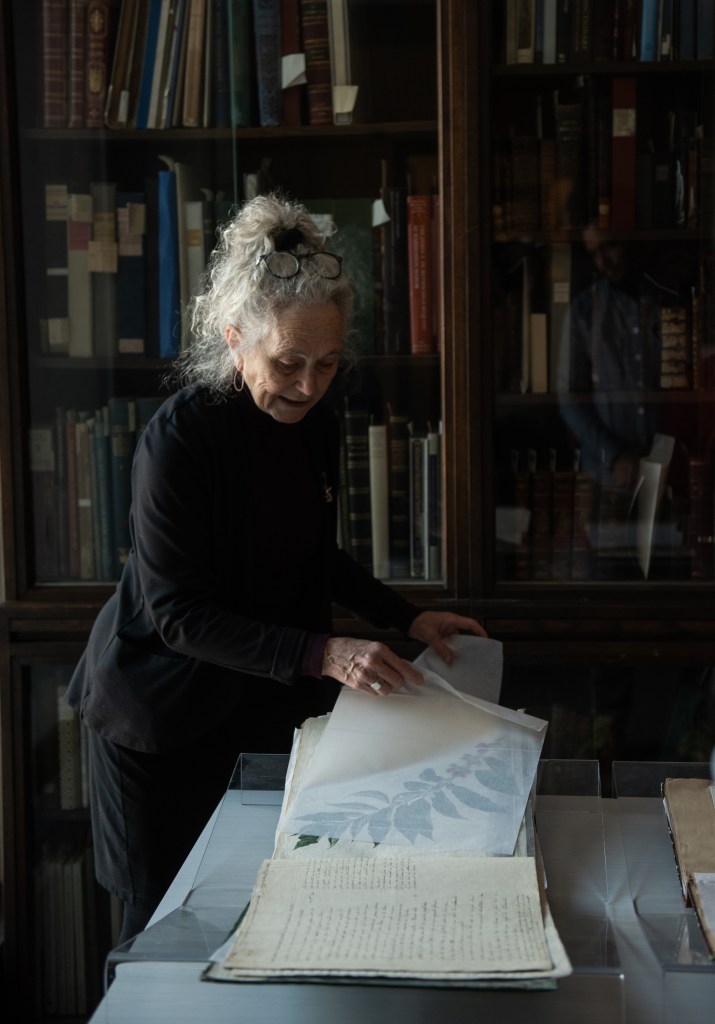
Dr. Victoria Dickenson is Professor of Practice, McGill University Library and Collections and PI for the Hidden Hands project. Her research centres on history of natural history and she benefits from the rich holdings of the Blacker Wood Natural History Collection at McGill. She is former director of the McCord Museum in Montreal and the McMichael Canadian Art Collection in Ontario.
Co-Principle Investigators
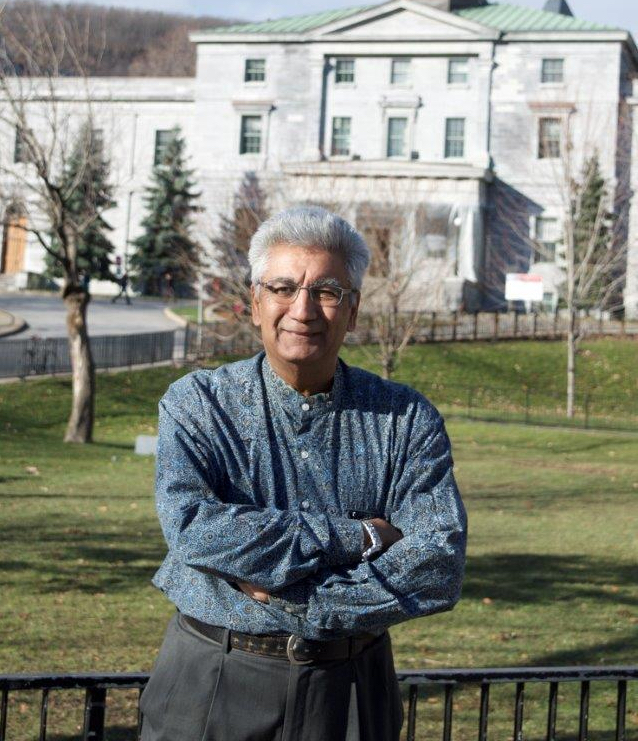
Dr. Vikram Bhatt is Emeritus Professor at the School of Architecture at McGill. He is a CO-PI on the Hidden Hands project and will participate in the Recognizing Diverse Knowledge case study, specifically investigating Forbes’ depictions of changing landscapes in western India. Bhatt was born and raised in India. He was also a collaborator on The Gwillim Project (2019-22).
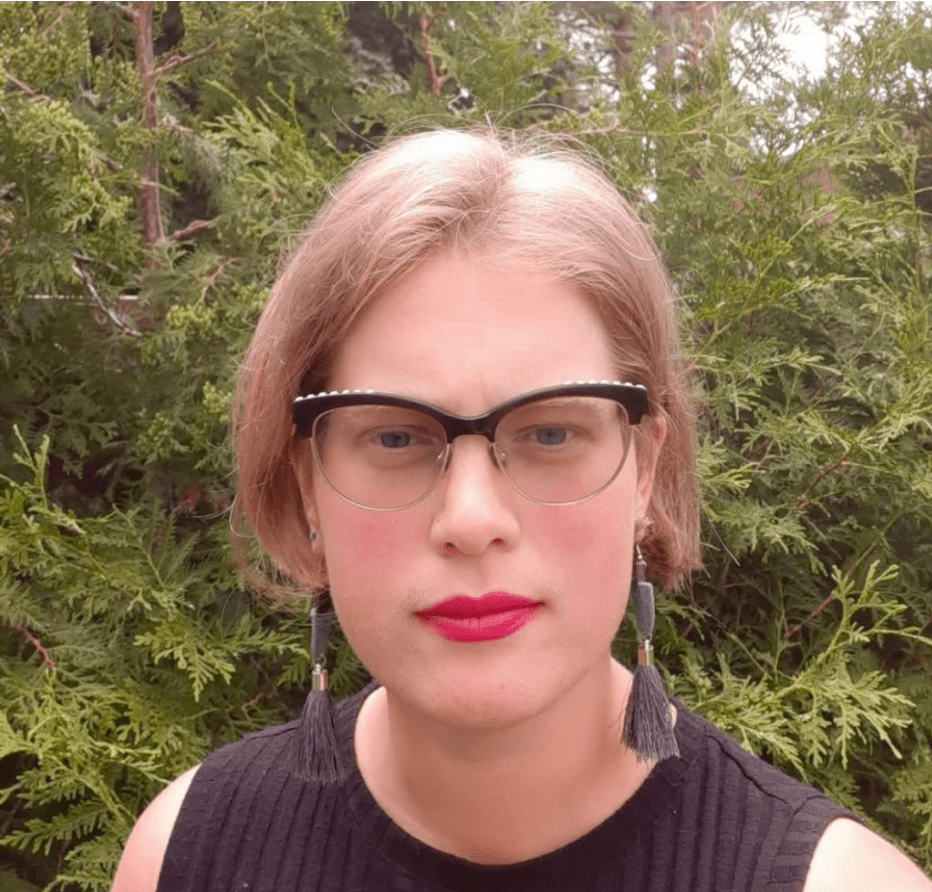
Dr. Gloria Bell is Assistant Professor of Art History at McGill. Bell’s research examines visual culture focusing on Indigenous arts of the Americas, primarily from the 19th century through to contemporary manifestations. Her scholarly book Eternal Sovereigns examines the competing histories of papal and Indigenous sovereignty, focusing on the art and activism of Indigenous makers in Italy and Turtle Island. Bell is also interested in archival theory and memory, and has previous experience as a curator.
Dr. Nicholas Dew is an Associate Professor of History and Classical Studies at McGill University. He is a founding member of the Groupe d’Histoire de l’Atlantique Français, interested in cultural history of France in the 17th and 18th centuries, particularly connections between colonialism and science, technology and medicine.
Research Associate
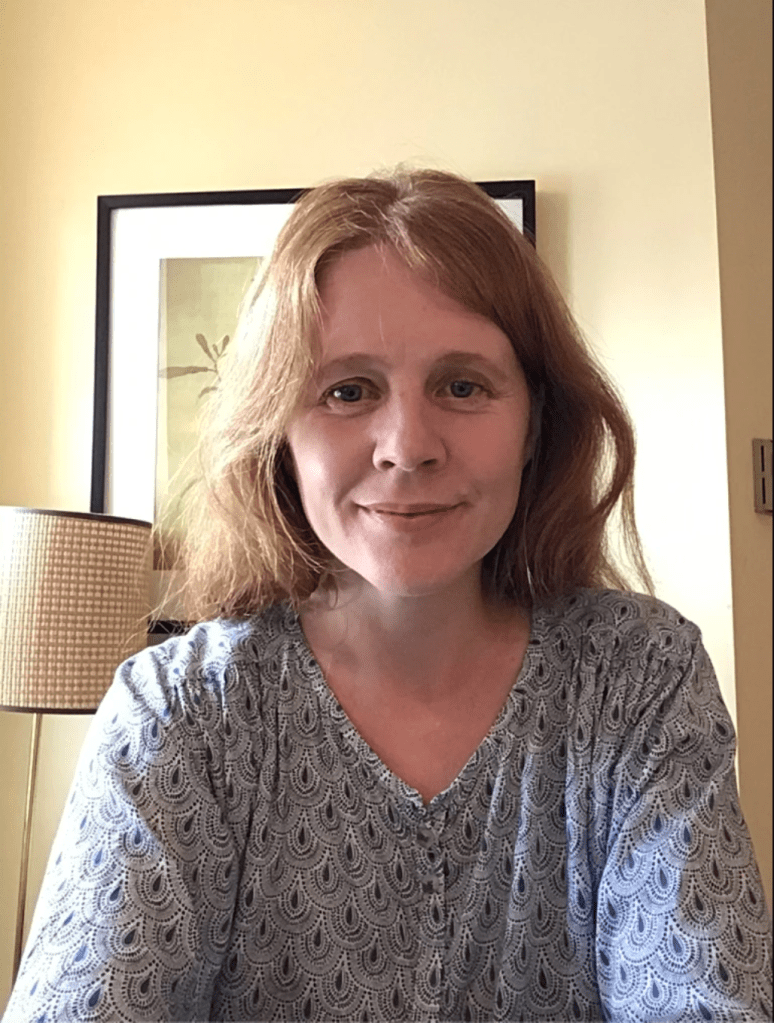
Dr. Anna Winterbottom is a Research Associate at the McGill Libraries and at the Indian Ocean World Centre, McGill University. She is a scholar of early modern natural history and medicine in global context. She is the principal researcher for the India and Sri Lanka case studies. Anna also acted as the Research Associate for The Gwillim Project.
Consultant
Richard Laurin is a Winnipeg-based researcher and specialist in museums and oral history, who will collaborate on the project, assisting with interviews, documentation, and databases. Richard was also a participant in The Gwillim Project.
Institutional Collaborators
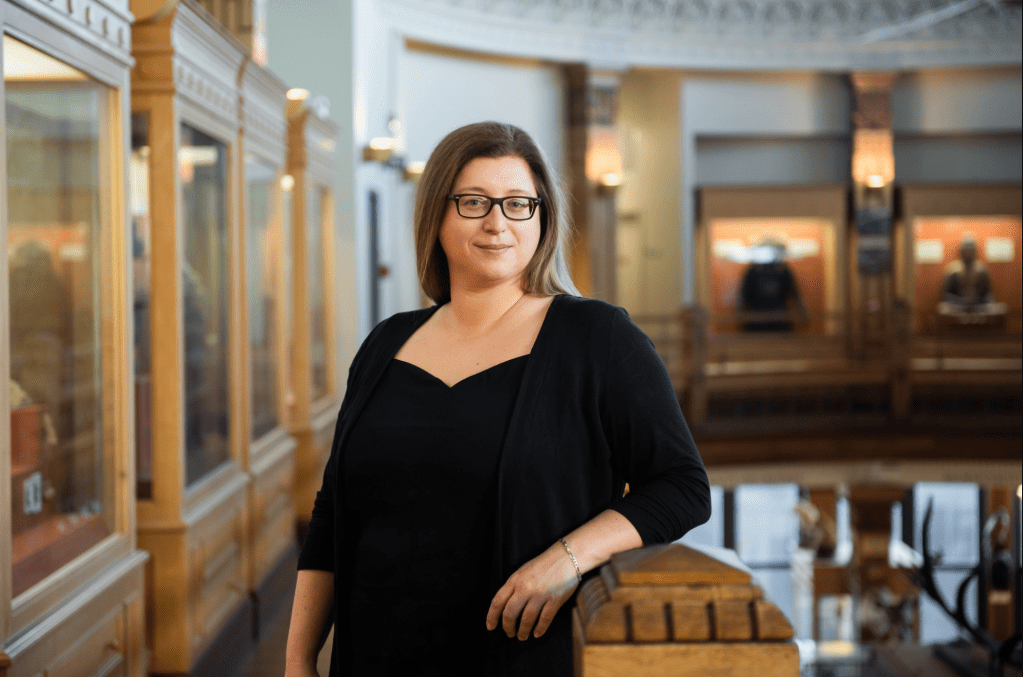
Annie Lussier is a curator and she manages the cultural collections at the Redpath Museum at McGill University. Her research interests in museology focus on relationships between museums and communities, access to collections, ethical practices in museum storerooms and respectful collections care.
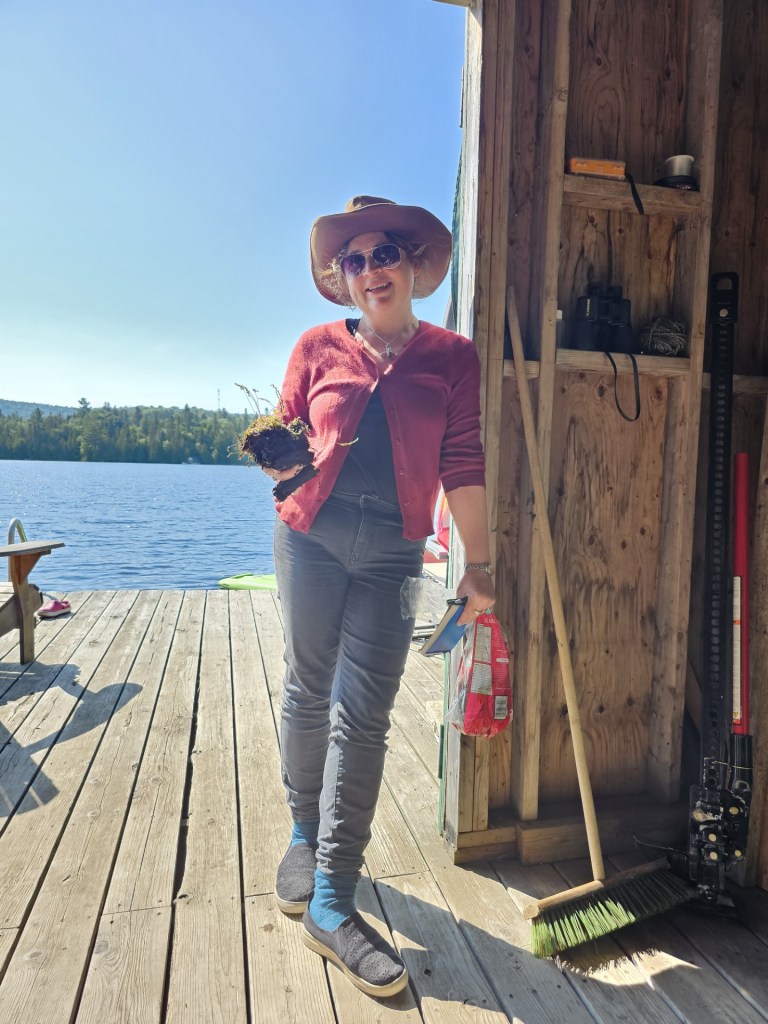
Dr. Frieda Beauregard is the curator of McGill University Herbarium. She has a doctorate in Plant Ecology. Her research interests revolve around historical plant collections and the history of plant collecting in Canada, as well as quality assessment of citizen science occurrence data, visual art in scientific outreach, and species distribution. She also teaches undergraduate courses in botany, ecology and evolution.
Megan Chellew is the Cataloguing and Metadata Co-ordinator at McGill University Library, and will ensure the full documentation of the René de Rabié watercolours on the McGill University Archival Collections site.

Lauren Williams supports teaching, learning, research, and outreach activities in Rare Books and Special Collections as the liaison librarian for the Blacker Wood Natural History collection.
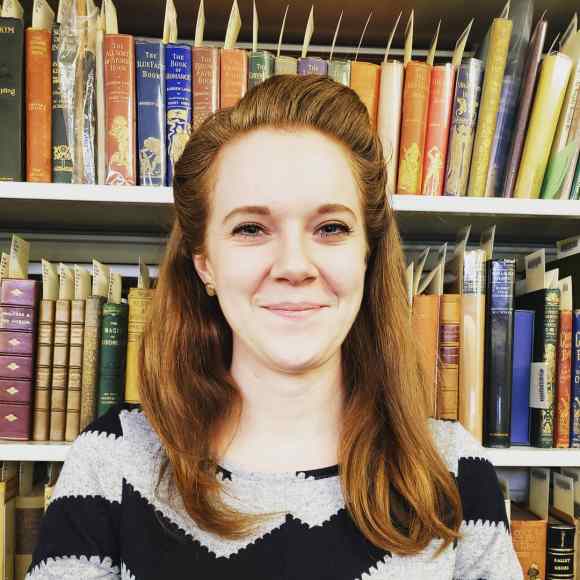
Project Research Assistants
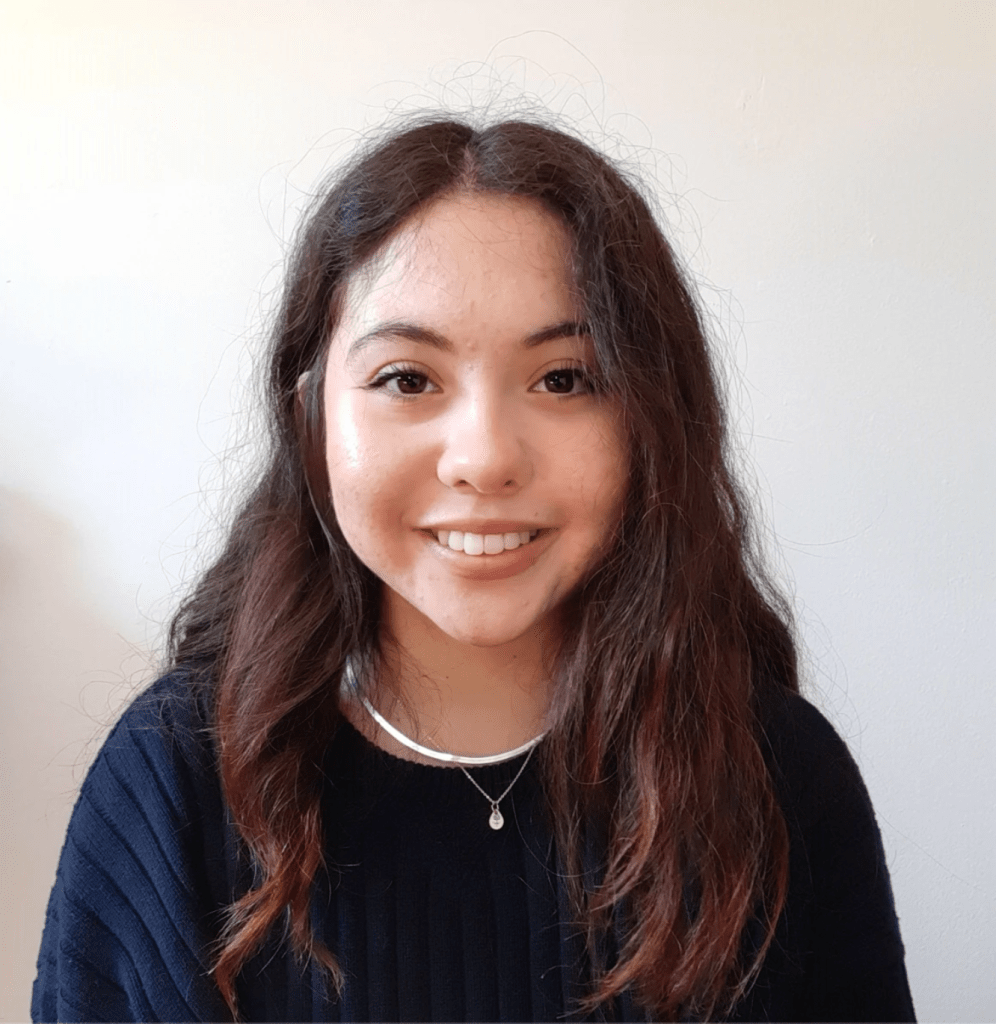
Sarah Cates worked as an RA in 2023, helping to digitize part of the Natural History and World Cultures Collections at the Redpath Museum. She earned her Bachelor’s degree in the Biological Sciences with a minor in Hispanic Studies at Connecticut College and her Master’s of Information Studies at McGill University.
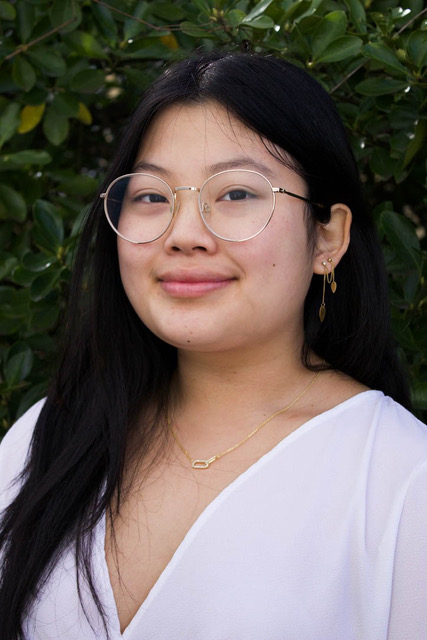
Olivia Moy is an undergraduate student at McGill University pursuing a degree in Environmental Biology and Wildlife Biology. She previously worked at the University of Maryland studying various insects including native slug and lady beetle species.
Read More
Although her current Honours project focuses on polar bears, her passion for studying smaller creatures and interest in anthropology led her to continue researching insects as part of the Hidden Hands Project. Using the watercolor insect paintings of French engineer René-Gabriel de Rabié as a framework, Olivia is focusing on the role that mantids have played in Indigenous, African, and European cultures, and how different forms of mantid and insect knowledge played a role in Haiti during the 18th century.
Georgia Harrison is a second-year Master of Information Studies student at McGill University. She is primarily assisting with web design and the digitization of the Sri Lankan collection at the Redpath Museum.
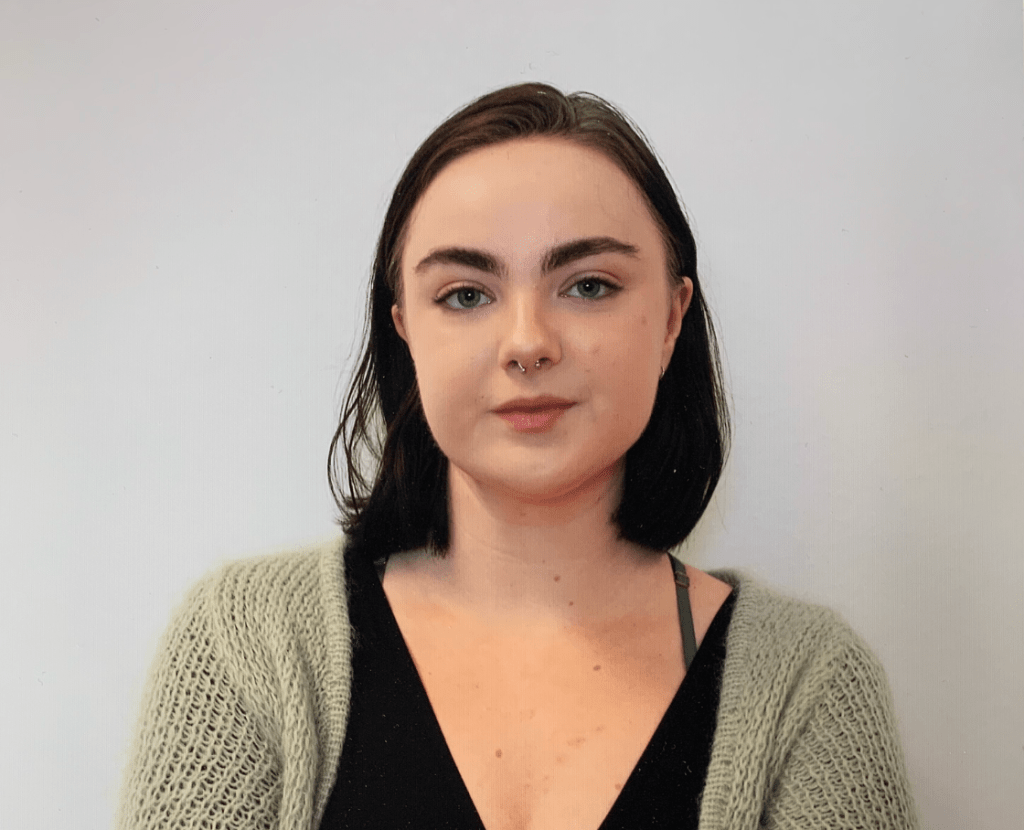
Mallory Novicoff is a Research Assistant for the Métis Homeland branch project. She is a recent MA graduate, and is now working towards a PhD in History at McGill University. She focuses on Canadian history, particularly on eighteenth century Jesuit-made Indigenous language materials and on histories of the natural world.
Matthew Barreto was a student researcher for the Hidden Hands project before graduating from the Master of History program at McGill University in 2024. He primarily looked at Vodou and plants in Saint-Domingue prior to the Haitian revolution. Matthew is particularly interested in the ways religion and cosmology impact how history is told and remembered.
Vaishali Mishra was a student researcher for the Hidden Hands project before she graduated from the Master of Information Studies program at McGill University in 2024. She primarily worked with the Sri Lankan olas in the McGill Library collection.
Madison Clyburn is a doctoral student in Art History working under the supervision of Dr. Chriscinda Henry. Specializing in early modern Italian art history and sensory studies, her doctoral research studies how faith, alchemy, and medicine inform a social history of women’s bodies as “other” in early modern Italy through a close analysis of recipes for perfumed medicines, with particular care to recipe linguistics, including ways of making and consumption.
Read More
Before joining the PhD program, Madison received her BA in Art History from the University of Central Florida and her MA in Decorative Arts, Design History, and Material Culture from Bard Graduate Center, where her work with Dr. Deborah Krohn resulted in an exhibition proposal analyzing the social and cultural history of scent and perfume as medicine in the Italian Renaissance.
For the Hidden Hands project, Madison is looking closely at the materials – paper, ink, pigments – used by both James Forbes and Rene de Rabié.
Canada Collaborators
Dr. Maureen Matthews is an Adjunct Professor in the Anthropology Department at the University of Manitoba and the former curator of Cultural Anthropology at the Manitoba Museum. She won a Governor General’s History medal in 2017 for innovative educational outreach work at the museum.
Read More
She is currently completing a set of six bilingual books for schools in the Pimachiowin Aki UNESCO World Heritage site. She is also an award-winning journalist, with five awards for Investigative Journalism from the Canadian Association of Journalists.
Dr. Darrell Racine is an Assistant Professor at Brandon University. His research interests include self-government, Aboriginal health, museology, screenwriting, and playwriting.
Michelle Smith is a Red River Michif educator and filmmaker born and raised in St. James, Manitoba. She is a member of the Manitoba Métis Federation. She has worked in Indigenous education for over a decade as a teacher, advocate, researcher, mentor and program developer at Quebec colleges and in community contexts.
Read More
She is Principle Investigator for the First Peoples Post-secondary Storytelling Exchange and coordinated the Journeys First Peoples Transition program at Dawson College for four years. She is Vanier scholar and PhD Candidate in the Department of Integrated Studies in Education (McGill). Her doctoral research involves co-constructing creative teaching and learning spaces that promote healing and cultural connection; she is currently working with Inuit youth to co-develop an Inuit arts based college degree program in Nunavik, northern Quebec. Broad research interests include arts-based, storytelling and Métis methodologies, community based education, youth agency, decolonizing practices and Indigenous educational sovereignty. She will begin her position as Assistant Professor in the Department of Education Counselling Psychology at McGill in January 2024.
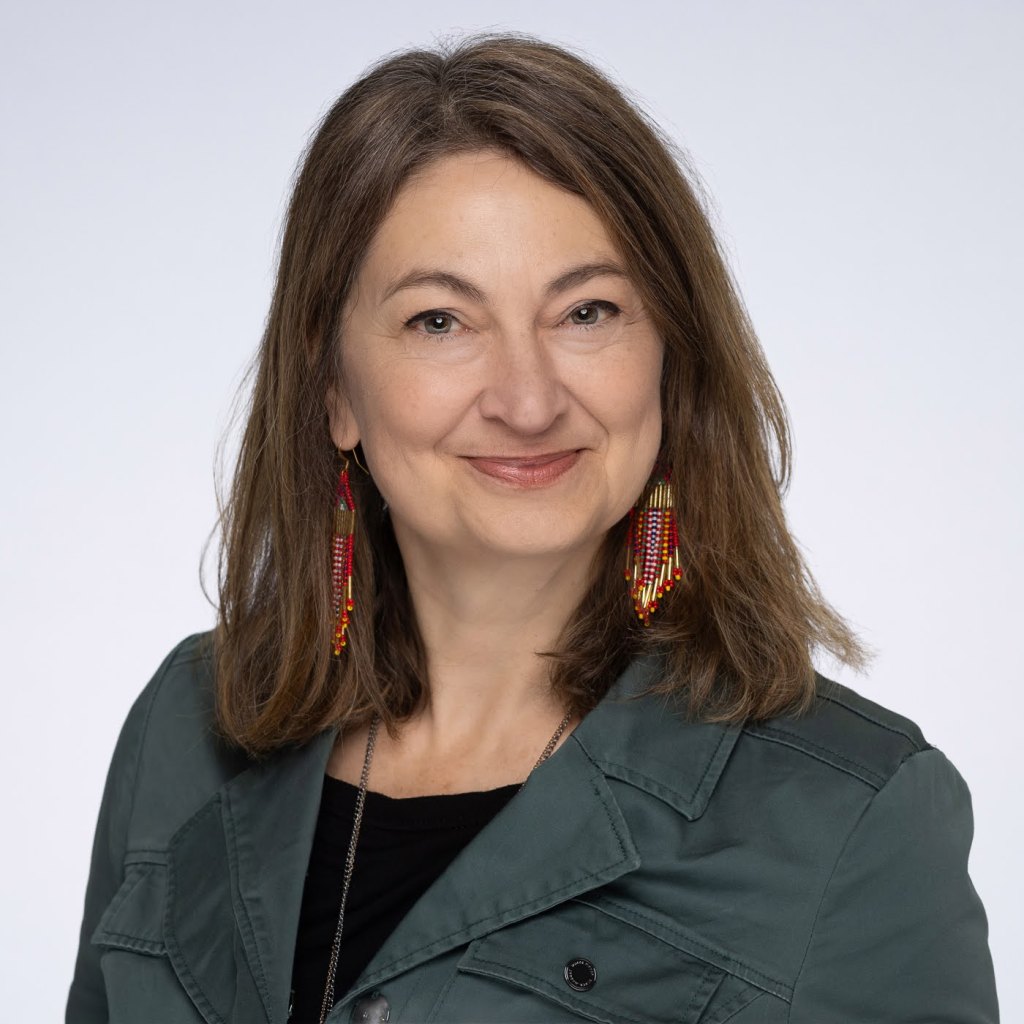
Dr. Noelani Arista is an Indigenous historian of Hawaiʻi and the U.S. She is ‘Ōiwi (Hawaiian) born in Honolulu, Oʻahu. She is the Director of the Indigenous Studies Program and an Associate Professor in the History and Classical Studies Department. Her research focuses on the organization of Hawaiian traditional knowledge, intellectual, legal and religious history and the ethical rules and norms governing relationships to ʻike (knowledge).
Read More
Arista seeks (ʻimi) to use artificial intelligence and machine learning to apply traditional modes of organizing Hawaiian knowledge in Hawaiian language textual and oral sources to increase community access to ʻike Hawaiʻi, the methods of which will provide useful and scalable models for scholars working in their own indigenous language source base.
Arista is the author of the The Kingdom and the Republic: Sovereign Hawaiʻi and the Early United States (2019), which was awarded the Native American and Indigenous Studies (NAISA) Best First Book Award. The book details Native Hawaiians’ experience of encounter and colonialism in the early nineteenth century. Drawing upon previously unused Hawaiian language documents, this history addresses native political formation, the creation of published indigenous law, and supplies Hawaiian accounts of encounters with missionaries and traders, The Kingdom and the Republic reconfigures familiar colonial histories of trade, proselytization, and negotiations over law and governance in Hawai’i.
Haiti Collaborators
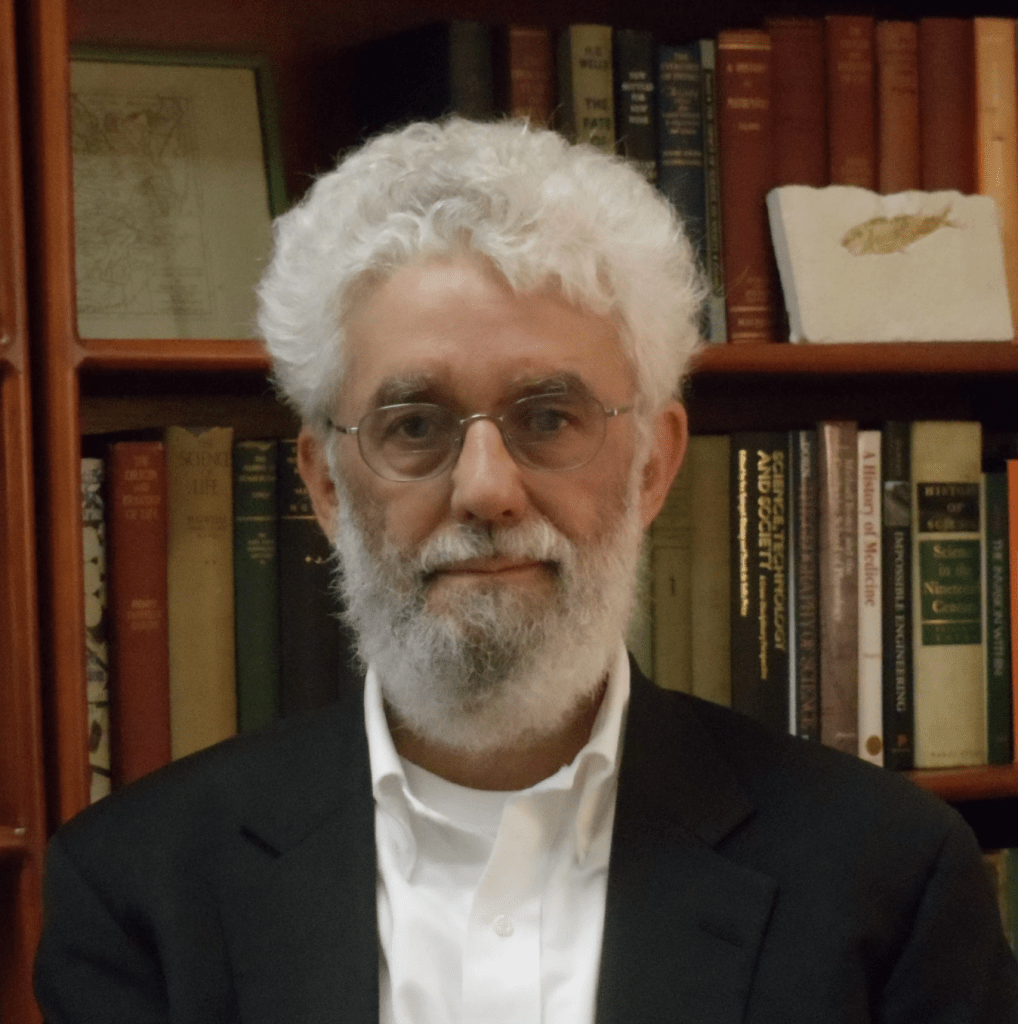
Dr. James E. McClellan III is Professor Emeritus of the History of Science at Stevens Institute of Technology. His research has focused on French scientific institutions in the seventeenth and eighteenth centuries.
Read More
Serendipity led him to study the French Caribbean colony of Saint Domingue and the ways in which European science facilitated colonial development and the reciprocal impact of the colonial encounter on European science. With François Regourd he extended this set of considerations in their work, The Colonial Machine: French Science and Overseas Expansion in the Old Regime (2011).
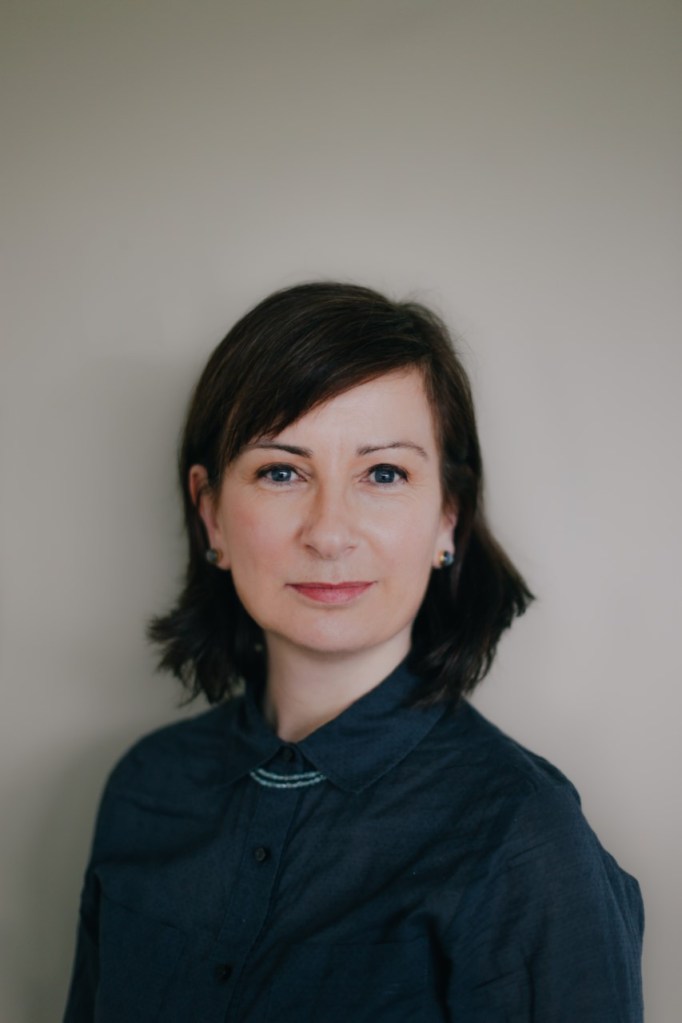
Dr. Bertie Mandelblatt (PhD, MLIS) is the Curator of Maps and Prints at the John Carter Brown Library at Brown University in Providence, Rhode Island (USA.) She is a librarian and a historical geographer with expertise in the early modern Caribbean and French overseas expansion.
Read More
Her research and publications address a number of intersecting questions: the geographies of plantation slavery, colonial trade, commodities, agriculture, subsistence and consumption; cartography as an imperial practice; and the spatial history of the first French empire.
Jacques Pierre was born in Cap-Haitien on the northern coast of Haiti. He has been teaching Haitian Creole & culture since 2010 at Duke University where his classes include students from the University of Virginia and Vanderbilt University by teleconference. In addition, since January 2022, he has been teaching Haitian Creole and Culture for Stanford University.
Read More
Before his arrival at Duke, Jacques taught at Florida International University and at in the Creole Institute at Indiana University. Jacques is an outspoken advocate for the use of Kreyòl at all levels in Ayiti as a means of helping to create a more inclusive society. His many articles include “Kreyòl pale, Kreyòl ekri.” Le Nouvelliste); “Lafrans ak Ayiti: Pwoblèm memwa marande ak edikasyon kolonyal.” Potomitan; “Haiti’s French/Creole Divide.” The Miami Herald; “Creole, a Key to Haitian Literacy.” The Herald Sun; “Help for Haiti must include embracing Creole.” The News&Observer; “Haitian Creole: Between Rejection and Recognition.” The Haitian Times; “Haiti:une société aux inégalités monstrueuses.” France-Antilles, Guadeloupe.
Jacques has guided his students in producing a number of learning and sharing videos featured by the U.S. Department of Education Office of International and Foreign Language Education as invaluable tools for those wishing to sharpen their skills in Haitian Creole. He has also created an ingenious game called “Memonèt” Riddles to help those learning Haitian Creole sharpen their listening and understanding skills.
Jacques has been organizing the International Creole Day Celebration at Duke University since 2013 as well as The Haitian Film Series since 2012. Starting in October 2021, Jacques has been conducting a series of interviews in Kreyòl with several Creolists around the world (Trinidad and Tobago, Saint-Lucia, Seychelles, Ayiti Mauritius). From the beginning of his career, Jacques has been asking the Creole world to viv an kreyòl. Jacques is a linguist (B.A. from State University of Haiti), translator (M.A.), and a pedagogue (M.A.) by training (from Kent State University).
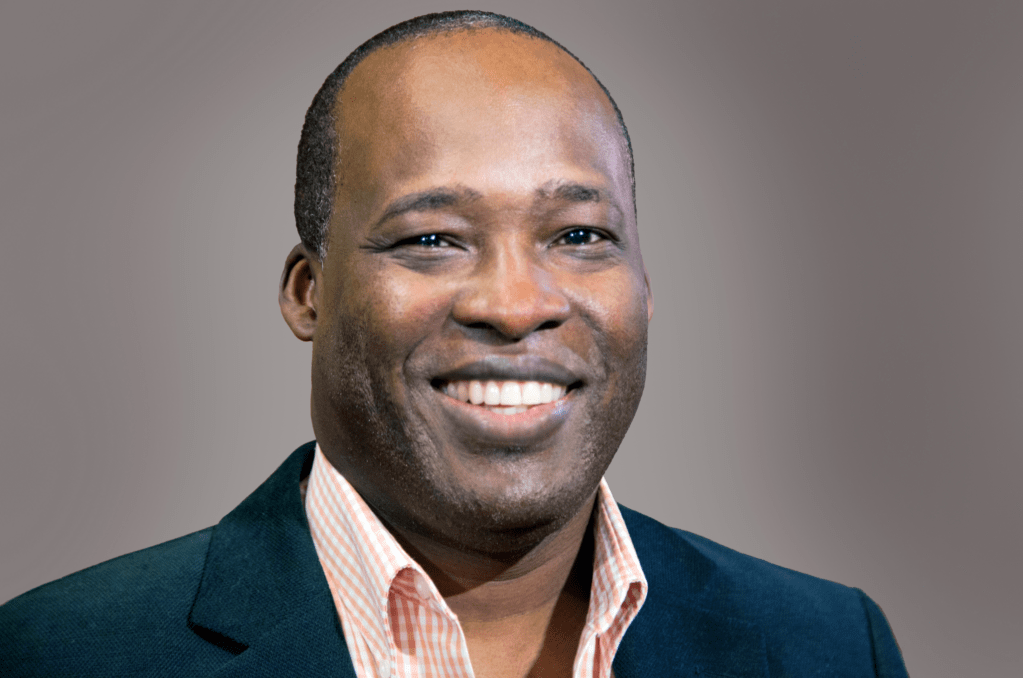
Dr. Daniel Perez-Gelabert is a Research Biologist with the Integrated Taxonomic Information System (ITIS) and a Research Collaborator of the Department of Entomology, NMNH. He works on Orthoptera (grasshoppers, crickets, katydids) taxonomy, particularly in the West Indies, although he also contribute to the knowledge of various other insect groups.
Read More
His publications have provided significant new information on the arthropod and especially Orthoptera diversity of the island of Hispaniola. For ITIS, he develops and maintains taxonomic data on arthropod groups for their incorporation into the database. His research involves fieldwork, collection of specimens, curation, and management of species biological data.
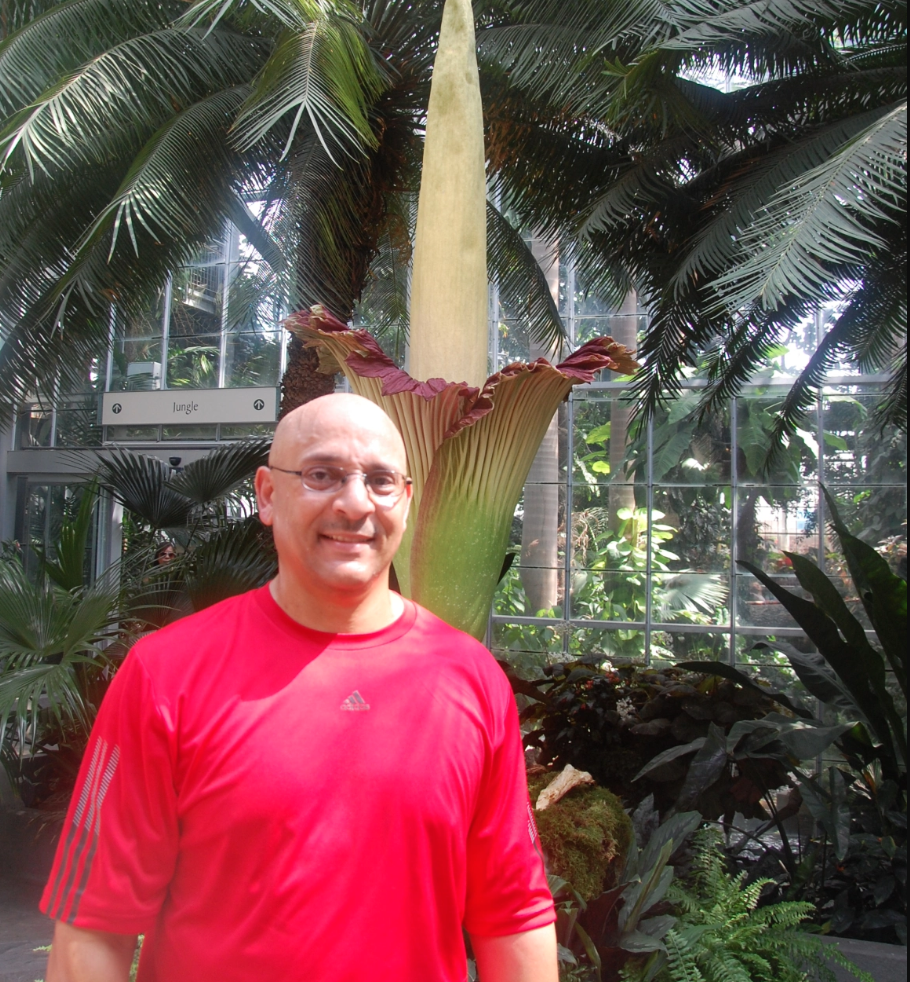
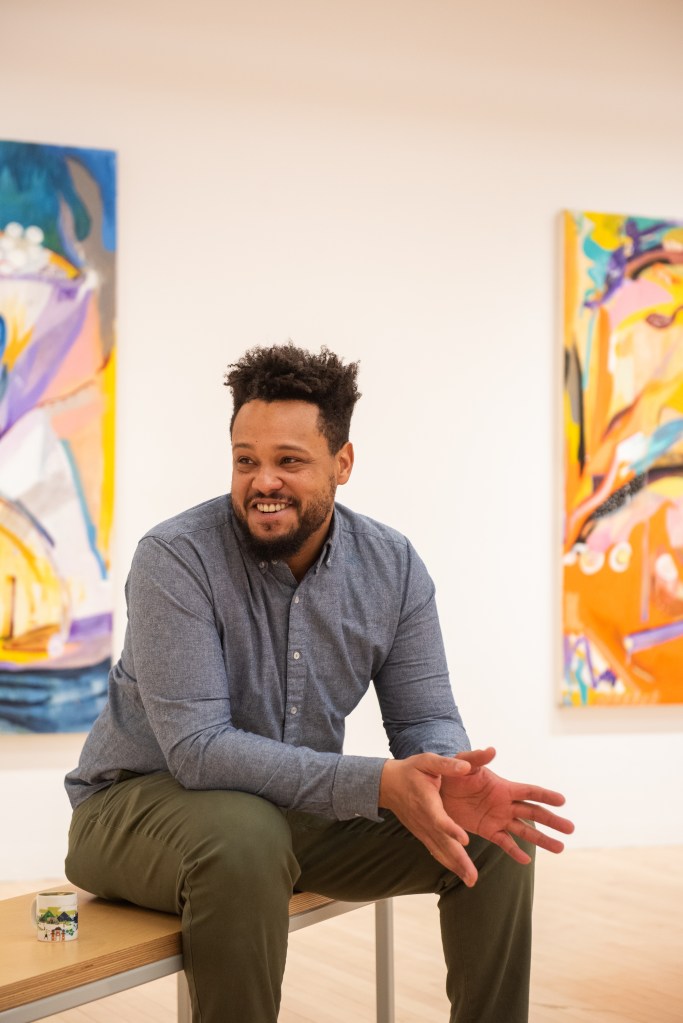
Clovis-Alexandre Desvarieux: “I am a visual artist that uses the creation of images and objects in order to question the expressions of the individual in the collective matrix. Through painting, drawing and photography, I am interested in the themes of identity creation, and its articulation with historical times and geographical spaces.”
Read More
“In painting and drawing, I develop a language at the borders of abstraction and figuration where I approach this questioning from a syncretic exploration of Haitian mythology, the history of Haiti and their interlacing with global contemporary social and environmental issues. In photography, I am mostly interested in the poetic value of light frequencies and its impact on our perception of reality and our ability to create meaning. All of my art practices ritualizes a set of gestures in my quest for being, therefore my spirituality.
Born in Port-Au-Prince in 1986, I grew up in Haiti, before immigrating to the United States then to Canada where I graduated with a bachelor of engineering in Building Engineering from Concordia University in 2011. I live and work in Montreal. The mechanics of identity transformation due to displacement, the awareness of the differences and disparities in the expressions of life and wealth, noted by my personal journey have planted in me the need to assimilate the cultural heritage that I am able to recognize, and to reveal through my work the most beautiful parts of the lights that are contained therein.
Founding member of the art collective Atelïer Good People (Montreal), I have participated in the organization of different events and exhibits informing the public with the works of the artists of the collective. I also had the opportunity to share my work through many exhibitions.
I am also interested in projects of pedagogy, sustainable development, renewable energy, forestation and self-sufficiency.”
William Cinea is a botanist, conservationist, and entrepreneur. He is the founder of Ecoentrepreneur Pro, Nature Design, PlantMastery, and Jardin Botanique Des Cayes Haiti. He is president of the Haitian Botanical Society, and is a research associate at Selby Botanical Gardens.
Marie Huguéna Jean Louis, botanist and conservationist, language interpreter and English
teacher, is the assistant director of the Cayes Botanical Garden and is responsible for research and conservation of the garden. She has a Bachelors degree in Agroforestry and Environmental Sciences from the American University of the Caribbean.
Read More
She obtained a specialization in Tropical Botany at Florida International University, where she obtained her certification as a botanist. One of her most significant contributions to botany and environmental sciences is her
involvement in field research. Marie has conducted numerous field trips across various regions
in Haiti to assess the Haitian flora. Her work in these expeditions is crucial for the conservation
and preservation of the rich biodiversity found in Haiti.
Marie is deeply committed to the Zero Extinction movement, an initiative that resonates with her
passion for safeguarding the Haitian flora. Her dedication to this cause is evident in her efforts to promote and contribute to the preservation of the nature.
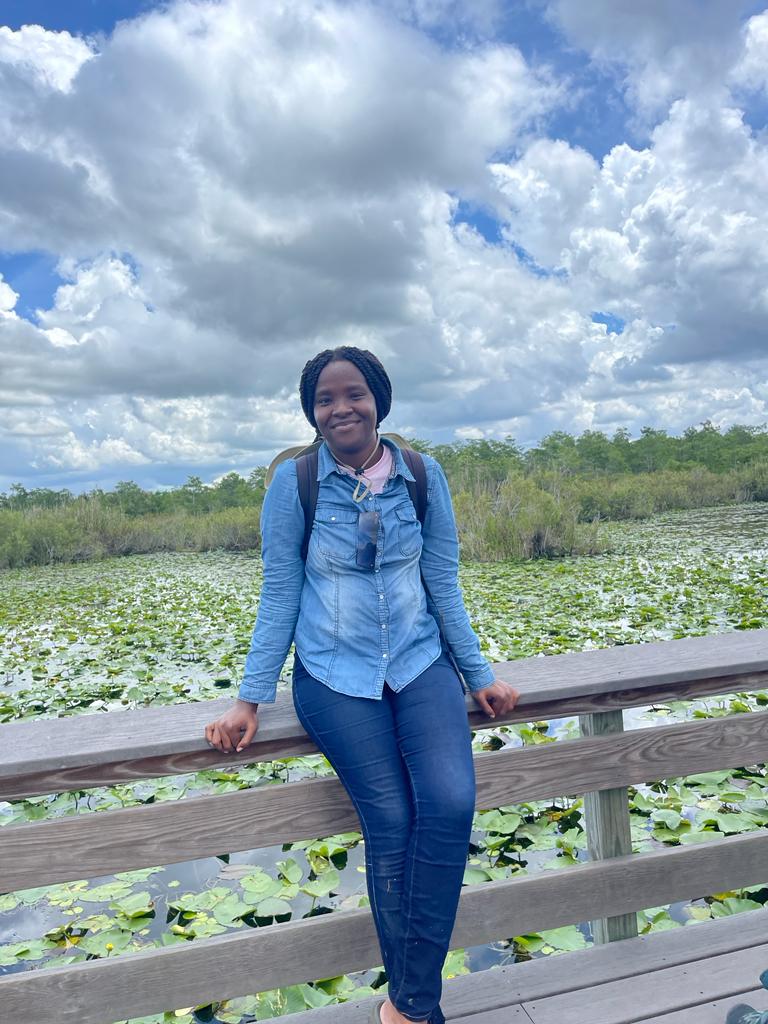
Dr. Jessica Gillung is an evolutionary biologist with a specialization in entomology. She is an assistant professor at McGill University, and is the director of the Lyman Entomological Museum. You can view a list of her publications here.
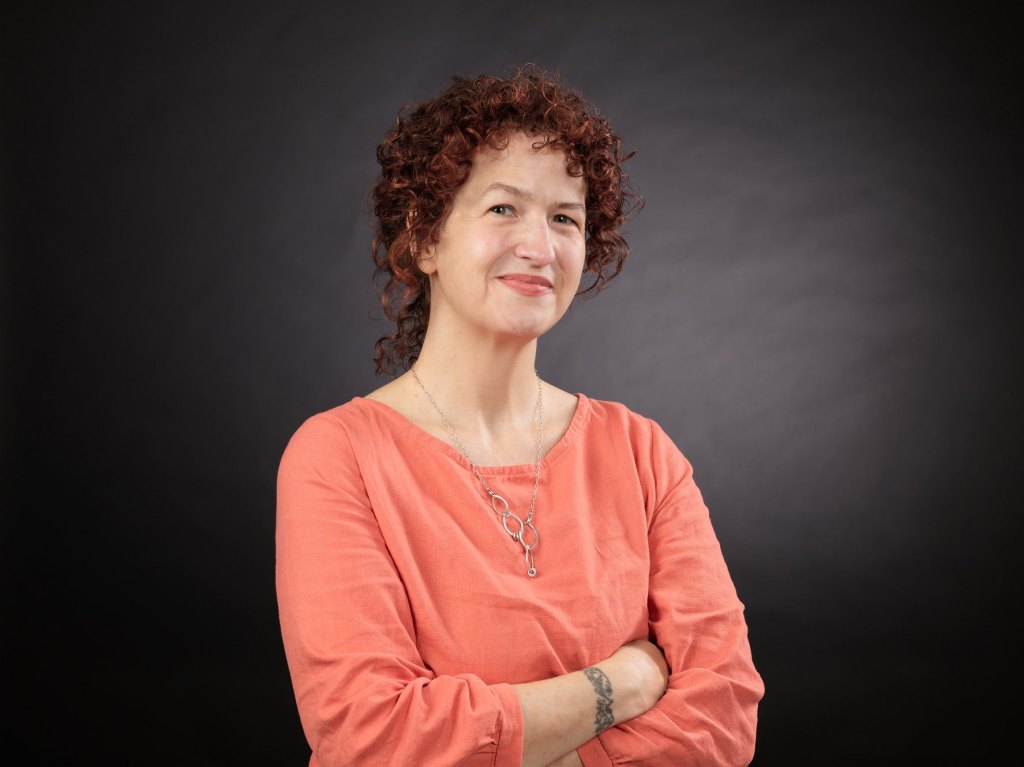
Christine McNair has a B.A. in English Literature with a minor in art history from Acadia University and an M.A. in Conservation Studies from West Dean College (UK). Her two and a half years of graduate work in the conservation of books and library materials culminated in a thesis investigating the history and conservation of textile bookbindings.
Read More
Before joining the Canadian Conservation Institute, Christine interned or worked at the Centre de Conservation du Livre in France, the London Metropolitan Archives (UK), at Archives Ontario and at Library and Archives Canada. She is the president of the Canadian Bookbinders and Book Artists Guild (CBBAG), was formerly the editor of the CBBAG Journal and formerly the treasurer of the Book and Paper Group of the Institute of Conservation (UK). Her research interests include modern materials in books, parchment, alum-tawed skin and wax seals.
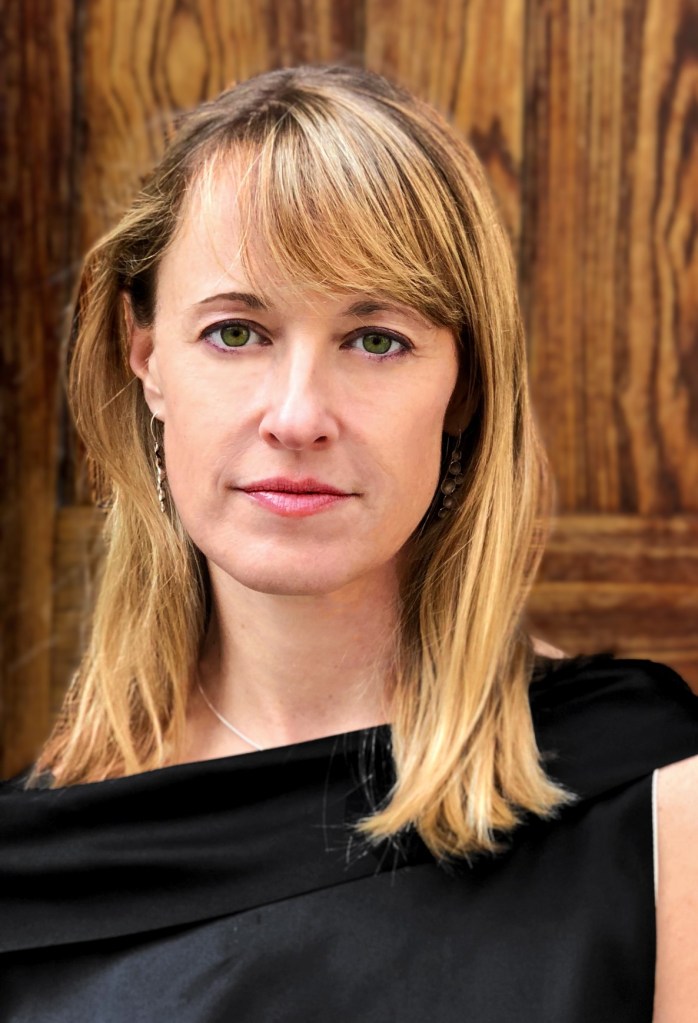
Dr. Meredith Martin is professor of art history at New York University and a founding editor of Journal18. A specialist in early modern French art and architecture, she is the co-author (with Gillian Weiss) of the award-winning book The Sun King at Sea: Maritime Art and Gallery Slavery in Louis XIV’s France (Getty, 2022).
Read More
She is also the author of Dairy Queens: The Politics of Pastoral Architecture from Catherine de’ Medici to Marie-Antoinette (Harvard, 2011), and a co-author of Meltdown: Picturing the World’s First Bubble Economy (Harvey Miller, 2020), which accompanies an exhibition she co-curated for The New York Public Library. Together with the choreographer Phil Chan, Martin reimagined and restaged a lost French ballet from 1739 known as the Ballet des Porcelaines, which toured the U.S. and Europe last year. Her current project, a collaboration with Hannah Williams, explores links between late 18th-Century Saint Domingue and the Paris art world.
Dr. Tommaso Racheli was born in Rome in 1941. He holds degrees in Medicine and Surgery, and a PhD in Urology. As an Associate Professor in Zoology, he taught Zoology, Zoogeography and Entomology at the Sapienza University of Rome. He has conducted various zoological field research in the Maghreb, Middle East, Indochina, Indonesia, and in Central and South America especially in Peru and Ecuador.
Read More
He is the author of approximately 60 papers in Medicine, more than 100 in Zoology, and 4 books on butterflies. Retired since 2009, he studied the fauna of Hispaniola and produced the book “A Field Guide to the Butterflies of Hispaniola”.
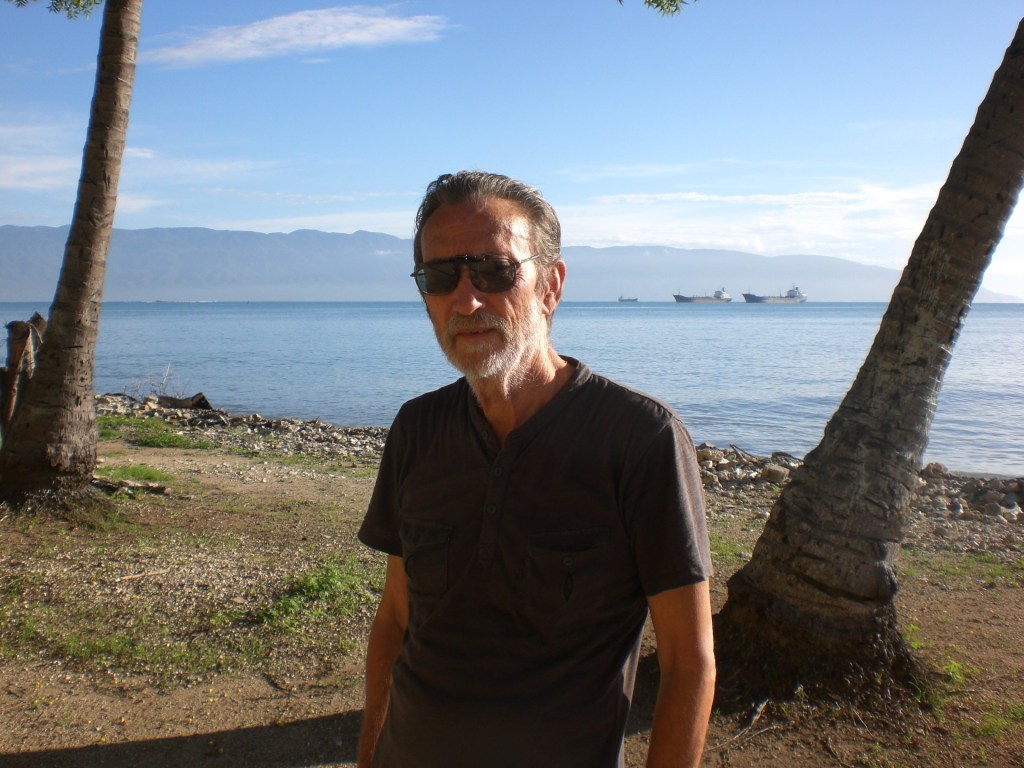
Dr. Siobhan Mei (M.A., M.A., PhD) is a literary historian and translator, whose background in translation studies informs her approach to teaching writing in CICS as a multimodal and multilingual form of human expression. Her collaborative scholarship on approaches to teaching writing and social theory in the disciplines of Computer Science and Informatics can be accessed here and here.
Read More
Siobhan’s research explores the intersections of fashion, narrative, and translation in literary traditions of the Black Atlantic. Siobhan has translated scholarly and literary texts from French, Haitian Creole, and Korean. Siobhan’s publications have appeared in The Routledge Handbook on Translation, Feminism, and Gender, Mutatis Mutandis, Transference, Callaloo, Small Axe, and Caribbean Quarterly among other places. Siobhan is the co-founder of the digital humanities project “Rendering Revolution” which explores Haitian history and literature through the lens of material culture. Siobhan’s research has been supported by the Institute for Citizens and Scholars, The Five College Women’s Studies Research Center, and the Massachusetts Society of Professors.
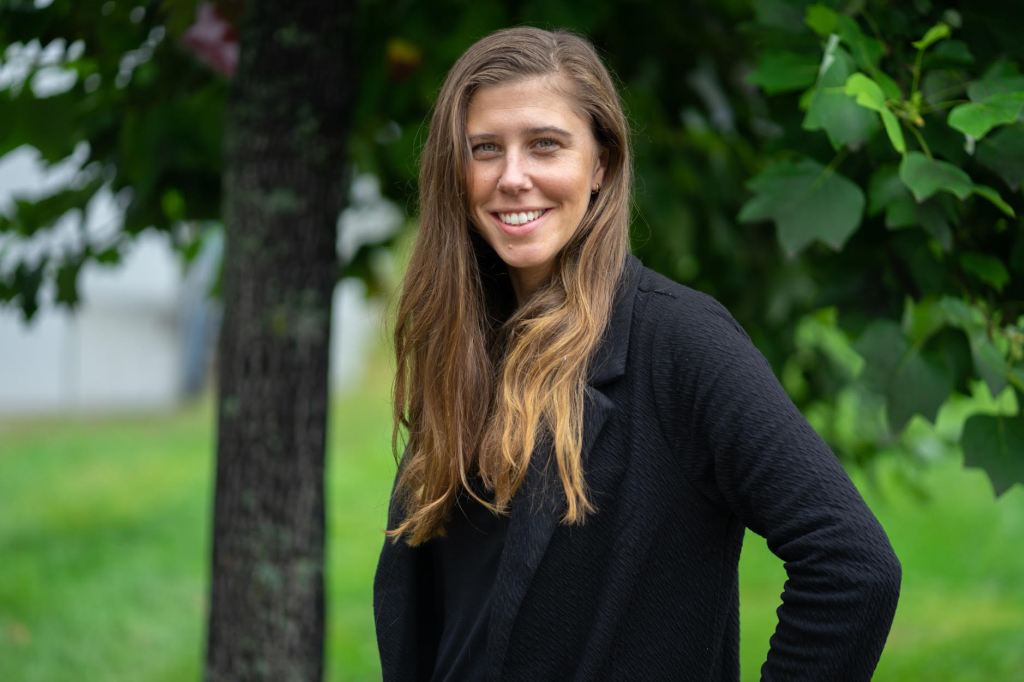
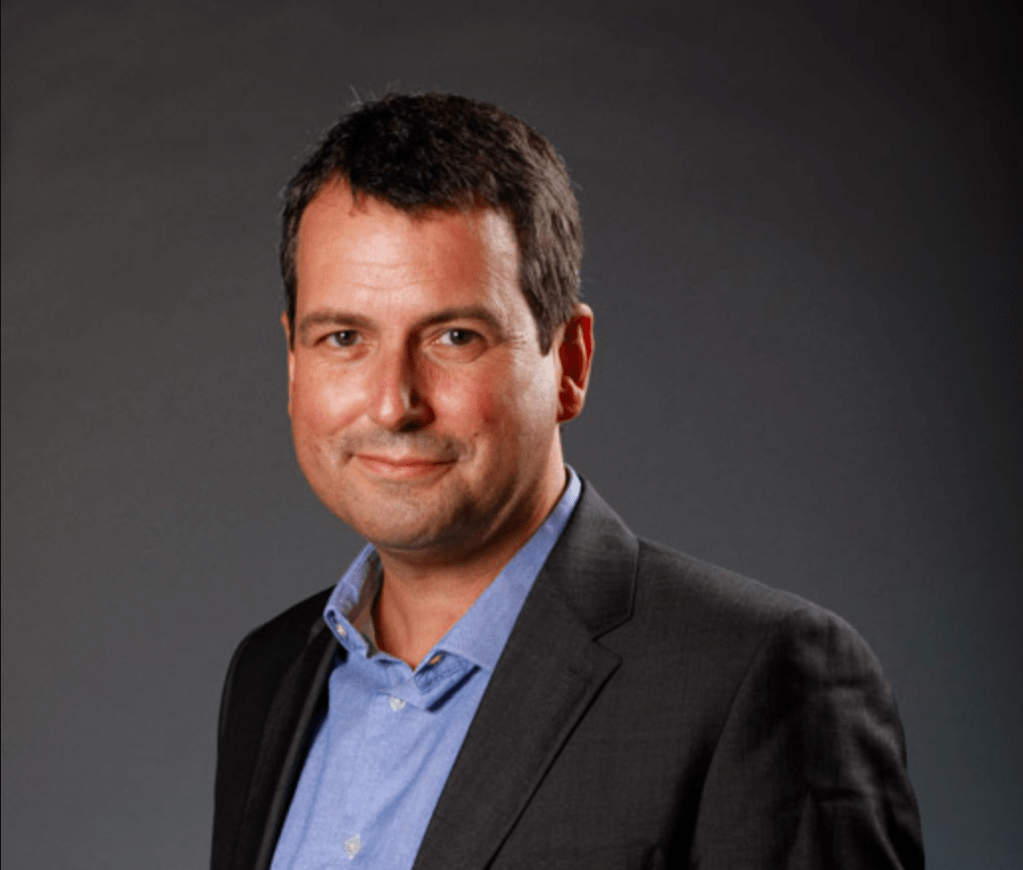
Dr. François Regourd is Senior Lecturer at the University of Paris Ouest Nanterre, where he teaches modern history (16th-18th centuries) and the history of the Americas. He is Deputy Director of ESNA (Empires Sociétés Nations Amériques). He is the co-author, with James McClellan, of The Colonial Machine: French Science and Overseas Expansion in the Old Regime (2011).
Dr. Hannah Williams
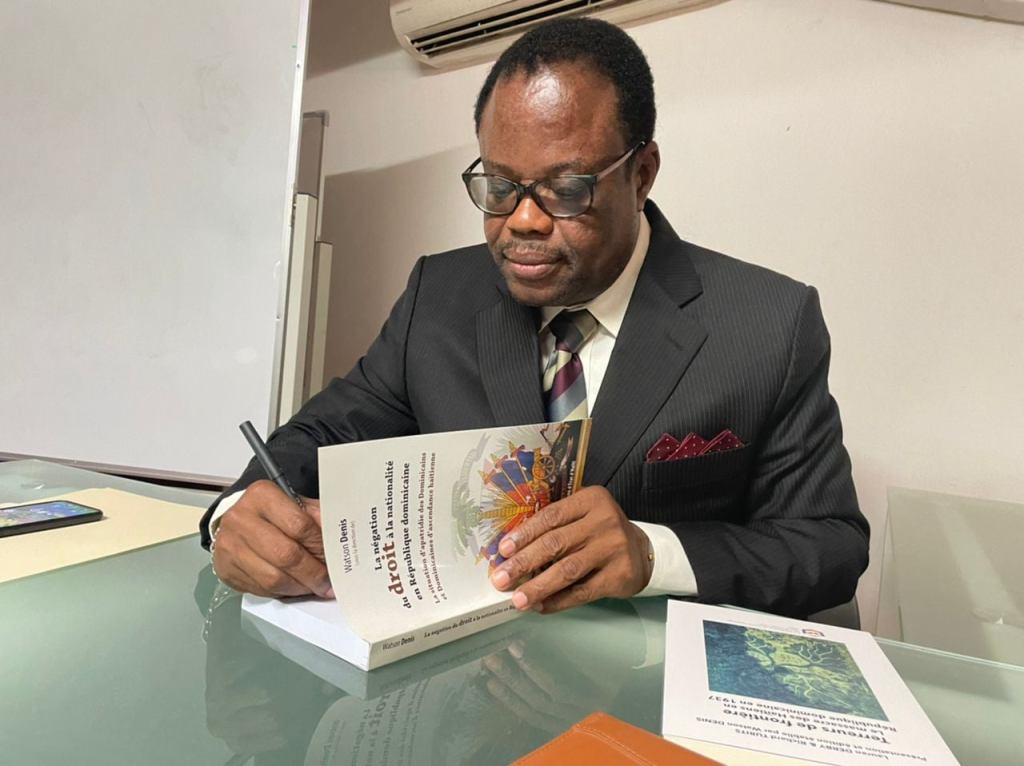
Dr. Watson Denis, of the Societe Haitienne d’Histoire, Geographie & Geologie, will engage in research and community liaison as part of the project. He is a professor of history and international relations at the State University of Haiti.
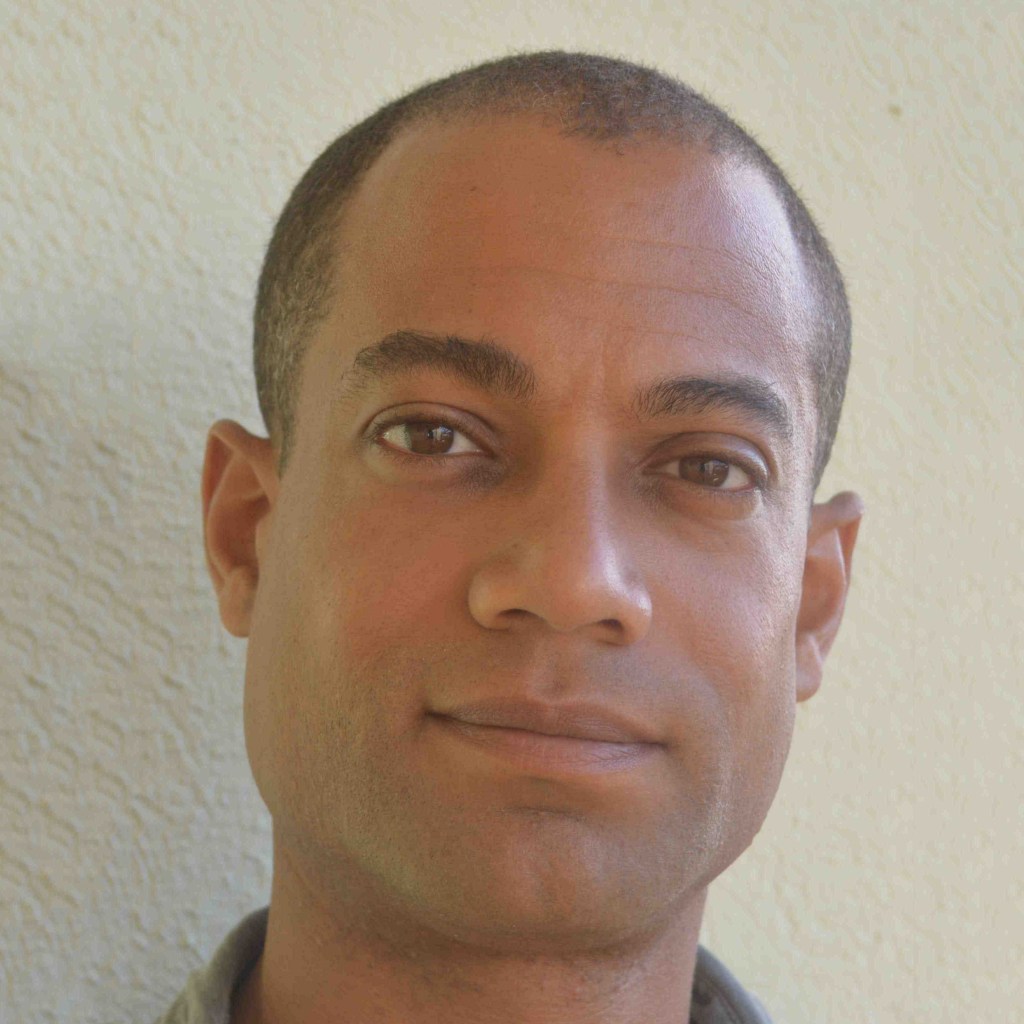
Dr. Henri Vallès is Senior Lecturer in Ecology and Ecology Coordinator at the University of the West Indies in Barbados. He holds a BSc in Biology from the University of Oviedo, an MSc from UWI in Barbados, and a PhD from McGill University.
Read More
His research focuses on reef fish ecology, coral reef threats, artisanal fisheries, and biodiversity conservation. His work includes projects on fish community metrics, the impact of fishing, and climate change vulnerability. For the Hidden Hands project, he worked to identify the fish and crustaceans in Volume 2 of the de Rabié albums. He serves on the Barbados Biodiversity Working Group, as well as on the BoD of the GCFI.
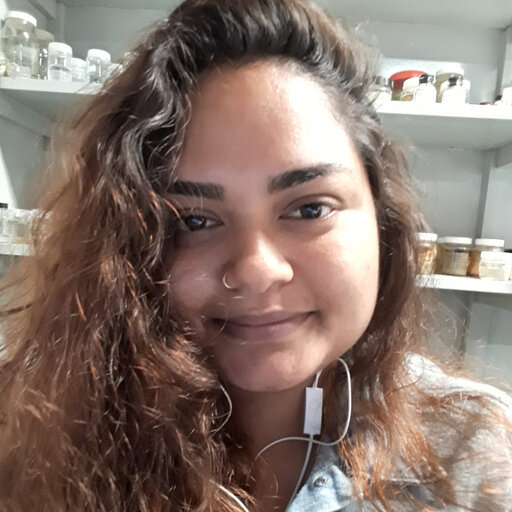
Nadeshinie Parasram
is an Ecology PhD student at the University of the West Indies in Barbados and the first Caribbean national that is a crustacean taxonomist in the Lesser Antilles. She worked to identify the crustacean’s species found in Volume 2 of the de Rabié albums.
Read More
She is also the curator of the Barbados Laboratory of Systematic Zoology (BLSZ), a Natural History collection she created to catalogue the over 2,000 specimens collected during her research. The BLSZ collection is the first and largest collection of crustacean species that is based in the lesser Antilles. You can read her publications here
India Collaborators
Mrinal Kapadia: “Even while studying to be an Industrial Engineer, I always had an interest in History & Archaeology, having nearly completed a Minor degree in Classical European Archaeology at the University of Michigan, Ann Arbor.”
Read More
“After a short stint as a Business Management Consultant, I am now involved across different business verticals, including Film Production, and have as of 2020 formalized my interest in history by founding the India Visual Art Archive, a collection of antique art and images that endeavours to link visuals through history and vice-versa. Through independent research, the archive is currently focused on colonial works from the erstwhile Bombay Presidency.”
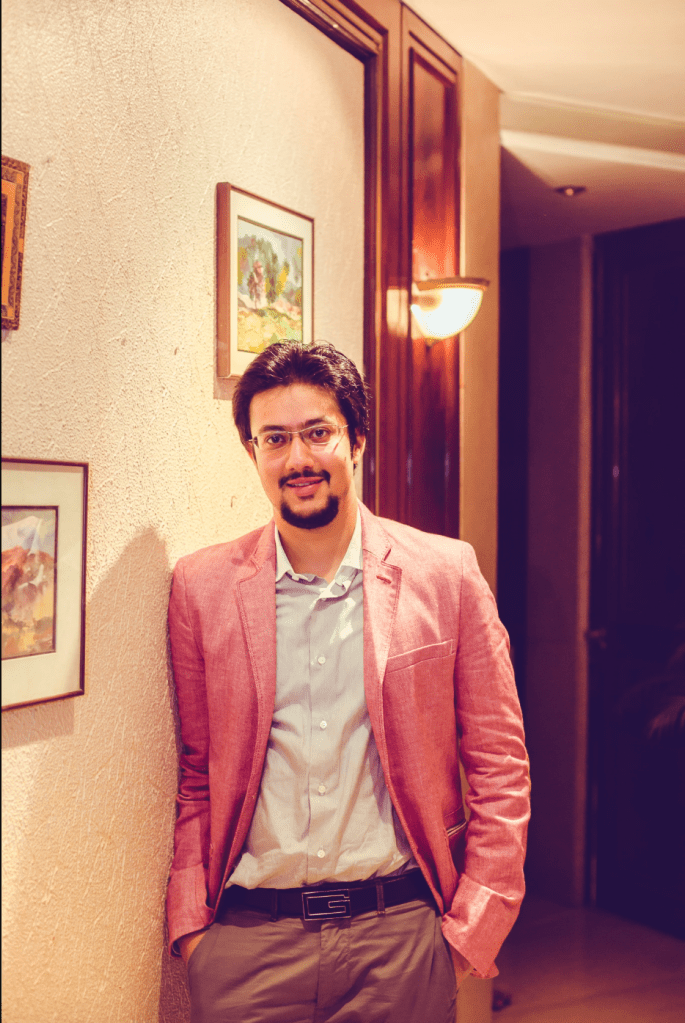
Dr. Holly Shaffer is Robert Gale Noyes Assistant Professor of Humanities in the Department of the History of Art and Architecture at Brown University. Shaffer’s research focuses on eighteenth- and nineteenth-century art and architecture in Britain and South Asia across visual, material, and sensory cultures. She will contribute as a researcher and expert in art history.
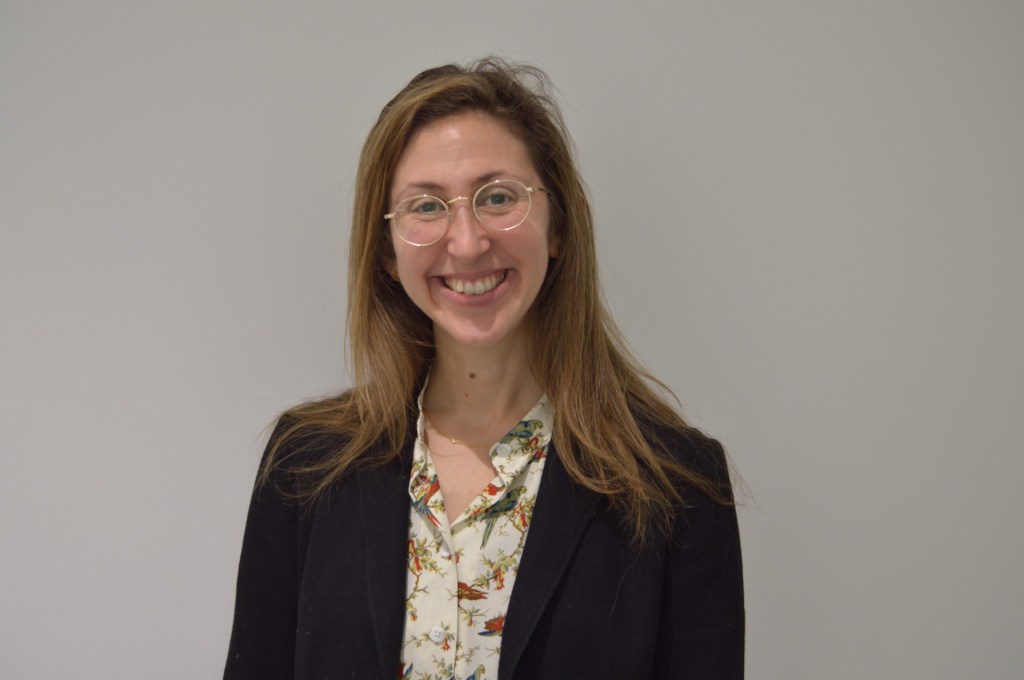
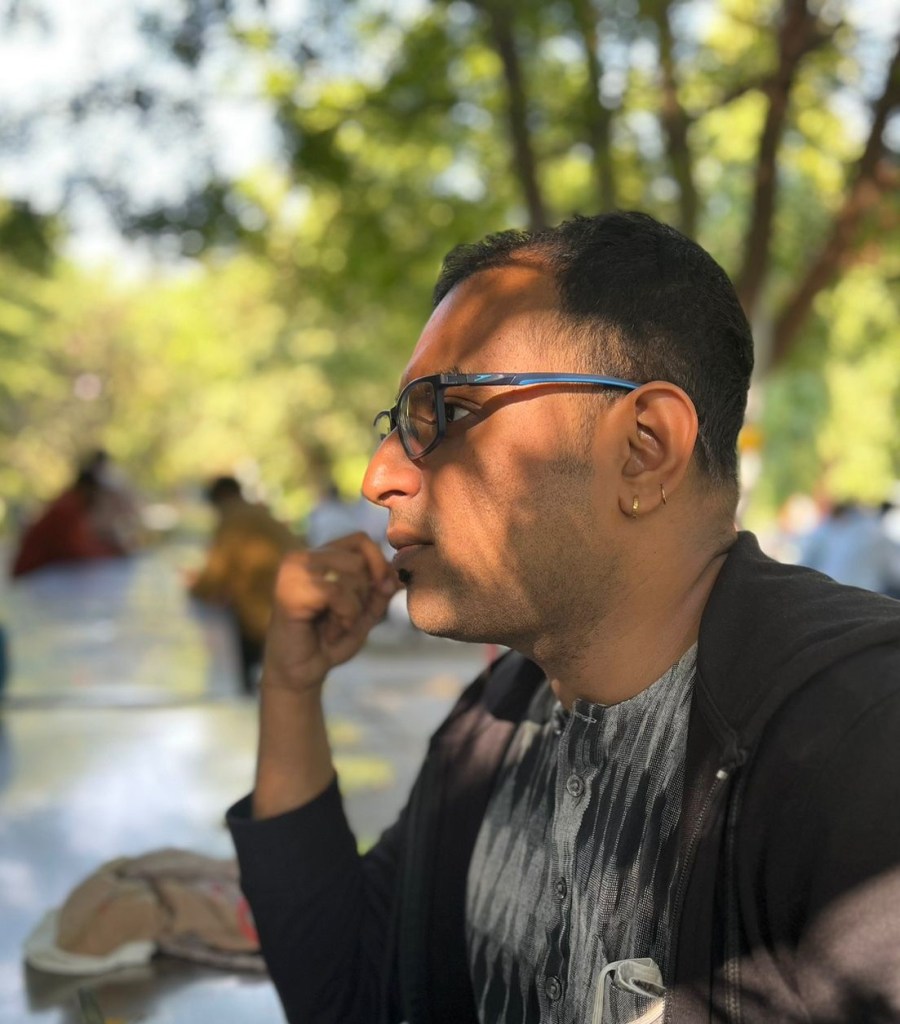
Dr. Rajarshi Sengupta is a practitioner and art historian, presently teaching fine arts at the Dept. of Humanities and Social Sciences, Indian Institute of Technology (IIT) Kanpur, India (2021-).
Read More
Sengupta completed his PhD in art history from the University of British Columbia, Vancouver (2019), and received the IARTS Textiles of India Grant, Royal Ontario Museum, Toronto (2017-18) and Shastri Scholar Travel Subsidy Grant (SSTSG), Canada (2023-24). He has published in Journal18, Journal of Textile Design Research and Practice, and South Asian Studies, among others, and contributed to Cloth that Changed the World: The Art and Fashion of Indian Chintz (2020). Sengupta exhibited his most recent textile works in the group exhibition Crafting the Crossroad, Dhi Artspace, Hyderabad (2022). Along with Dr. Baishali Ghosh, he is working on an edited book on Deccani material culture.
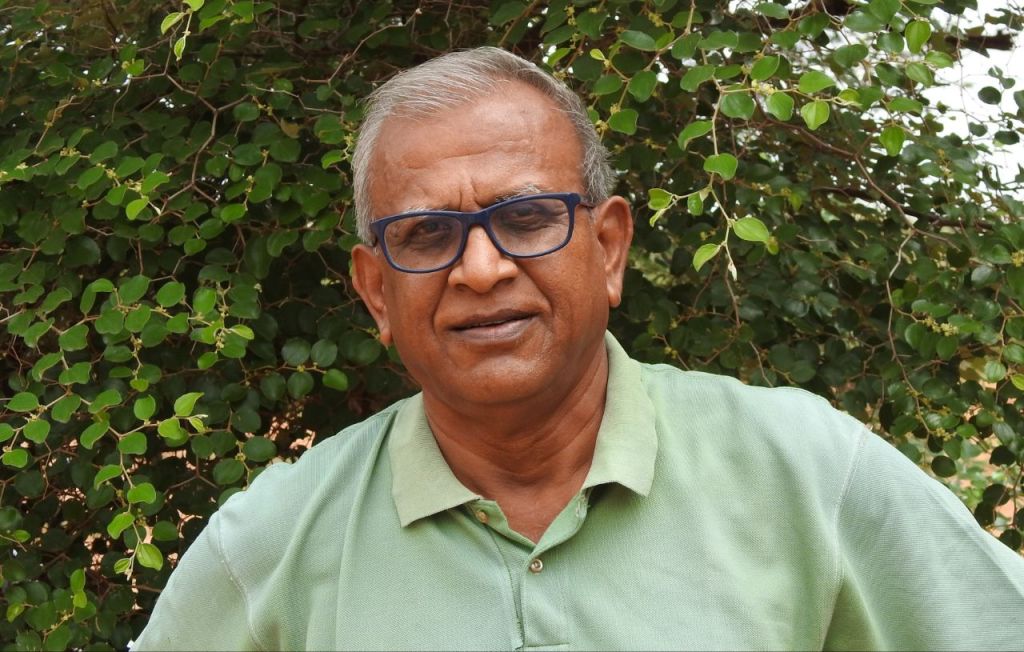
Dr. Subbu Subramanya was a Professor of Entomology and a retired academic from the University of Agricultural Science in Bangalore. He will contribute as a researcher and expert on Indian ornithology and natural history. Professor Subramanya also participated in the Gwillim Project.
Dr. Sarah Carter is a postdoctoral fellow funded by the Social Sciences and Humanities Research Council of Canada (SSHRC) and the Fonds de Recherche du Québec (FRQSC). Her current research project is entitled “‘Empire follows Art’: Trafficking Culture in Imperial Britain 1780–1830.” It examines the sourcing, transit, trade and reception of South Asian antiquities in the British empire. Sarah holds a PhD in Art History from McGill University, where she completed a dissertation entitled “Art and Eros in the British Enlightenment.”
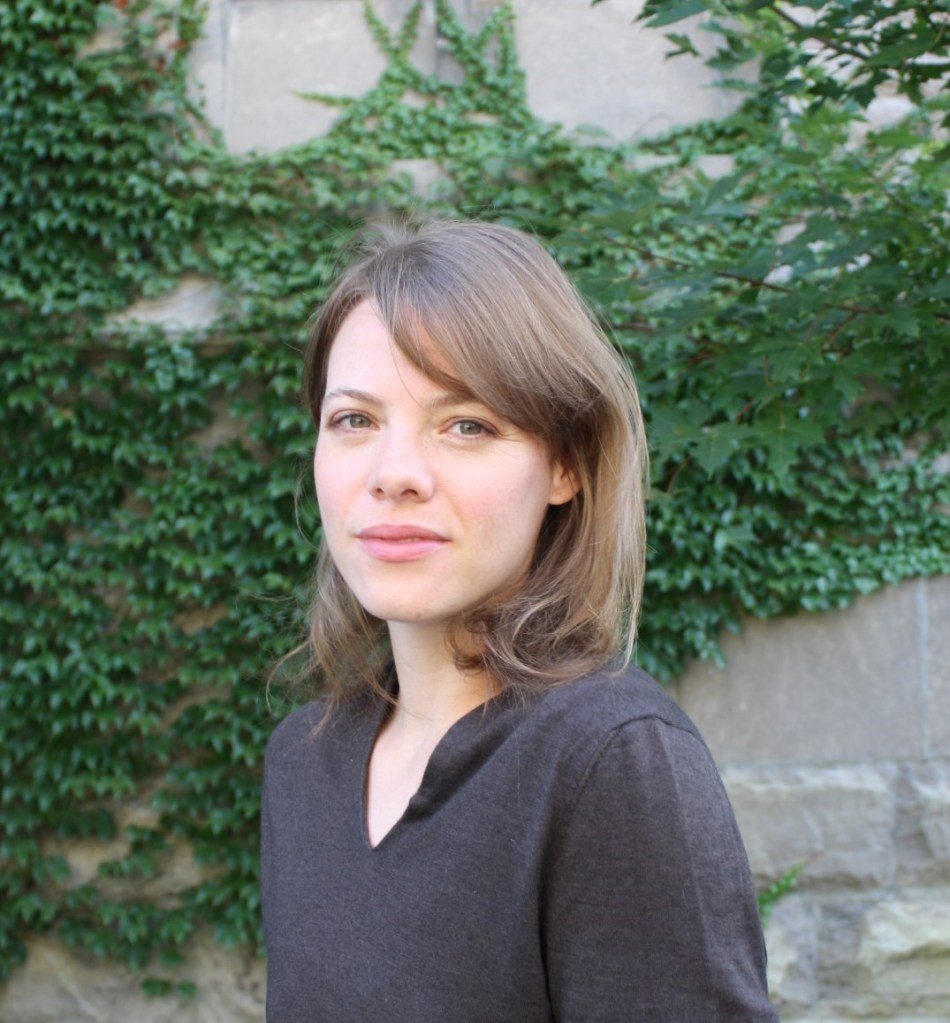
Dr. Samira Sheikh is a historian of South Asia. Her research interests include politics and religion in South Asia from 1200-1950, early modern trade, and early Indian maps. She is the author of Forging a Region: Sultans, Traders and Pilgrims in Gujarat, 1200-1500 (Oxford India, 2010), and co-editor of After Timur Left (Oxford India, 2014), and An Anthology of Ismaili Literature: A Shi’i Vision of Islam (I.B. Tauris and the Institute of Ismaili Studies, 2008).
Read More
Sheikh came to Vanderbilt from London where she was a research associate at the Institute of Ismaili Studies. She is finishing up a book on the city of Bharuch in western India in the eighteenth century. As the East India Company’s power expanded and the Mughal empire grew ever more remote, people in Bharuch adapted to new realities. The book brings to life the travails of individuals caught in a rapidly transforming world while showing how traces of those who experienced early colonialism have been obscured by subsequent politics.
Her next project, supported by the American Council of Learned Societies, is to document and analyze Gujarati maps from the eighteenth century. She is a member of the editorial collective of the Medieval History Journal and serves on the advisory board of Modern Asian Studies. Some of her research may be found on academia.edu.
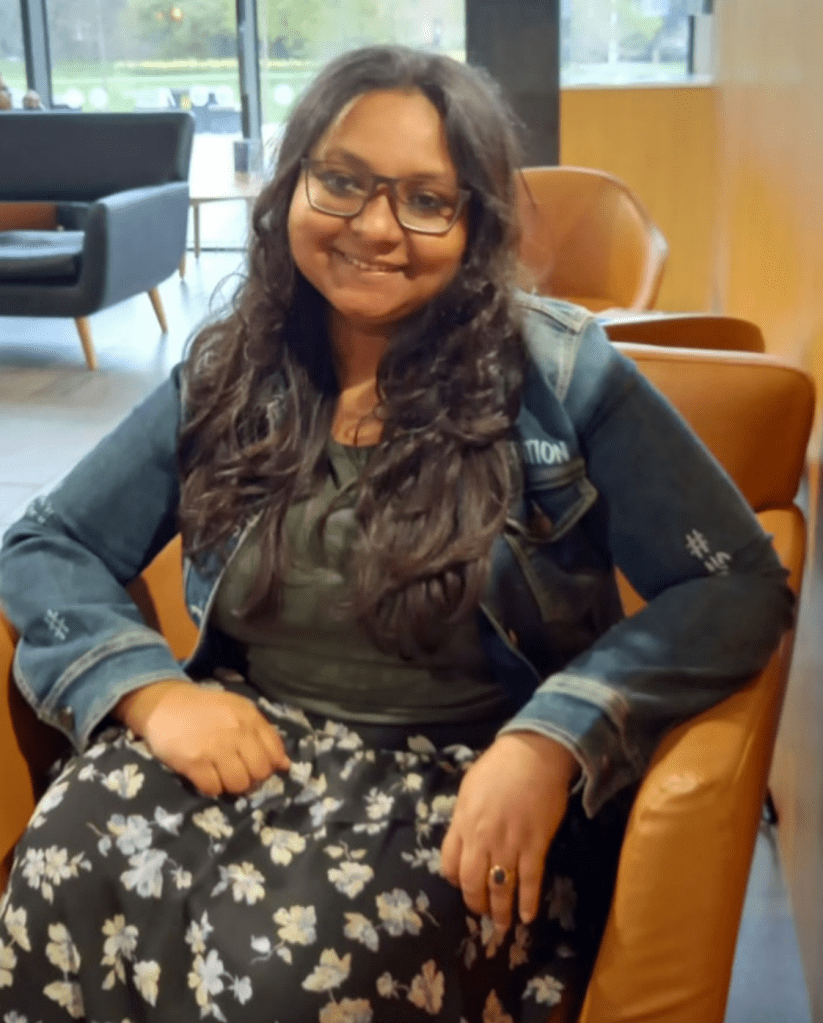
Dr. Apurba Chatterjee is a Wellcome Trust Research Fellow in Humanities and Social Science at the University of Reading, UK, where she works on visuality in colonial medicine. Her research on James Forbes originates from her PhD (awarded in 2020 by The University of Sheffield).
Read More
She is particularly interested in Forbes’ natural history illustrations, and her wider research interests include new imperial history, cultural history, postcolonialism, decolonial theories, and histories of science and medicine.
Dr. Bivash Pandav is the Director of the Bombay Natural History Society (BNHS). He will assist in the project in terms of outreach and access to collections and exhibitions.
Sri Lanka Collaborators
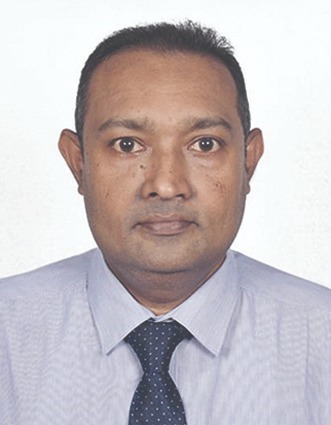
Dr. Udaya Cabral is the Assistant Director (Conservation) of the National Library of Sri Lanka and Director of the IFLA PAC Sri Lanka Center. He has broadly studied Sri Lankan palm leaf preparation techniques, conservation and preservation methods, and good practices.
Read More
He is the founder of Panhinda resin widely used in Sri Lanka for treating palm leaf manuscripts. Dr. Cabral will advise on the conservation of the olas (palm leaf manuscripts) at McGill and on the dissemination of the digitized versions to scholars in Sri Lanka.
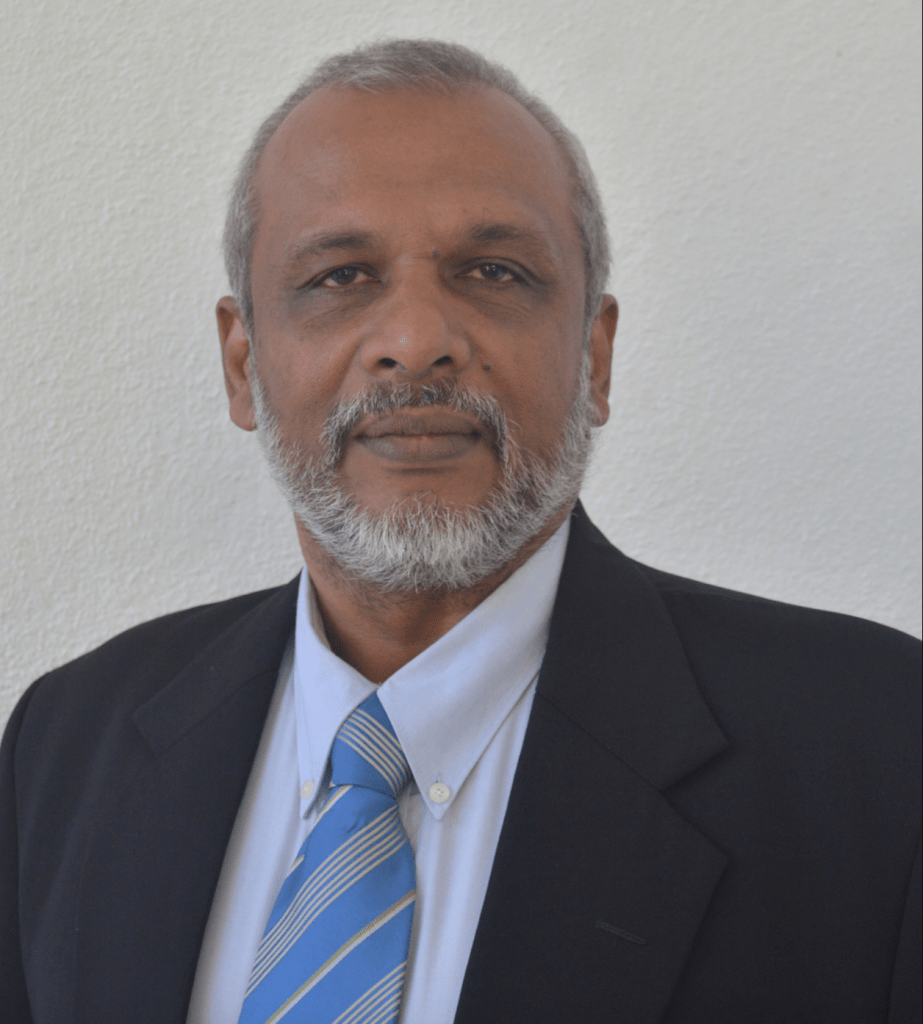
Dr. Danister Perera is a researcher in cultural anthropology and an expert in intangible cultural heritage and indigenous medicine. He is the chairman of the expert committee on traditional knowledge and a member of the national committees of Memory of World and of UNESCO.
Read More
He has published several books, chapters and papers on ancient manuscripts of indigenous medicine in Sri Lanka. He will study and catalogue the medical Olas at McGill and advise on the care and display of the Olas and the artefacts in the Redpath Museum.
Anthony Howell is a curatorial staff member managing the natural history collections at the Redpath Museum. His interests include the impact of changing taxonomy and labelling of museum collections, as a reflection of cultural trends. He will work on cataloguing and digitizing mineralogy and zoology collections from Sri Lanka at the museum.
 Hidden Hands in Colonial Natural Histories