Categories
India

Essay: Forbes’ Collage Practice

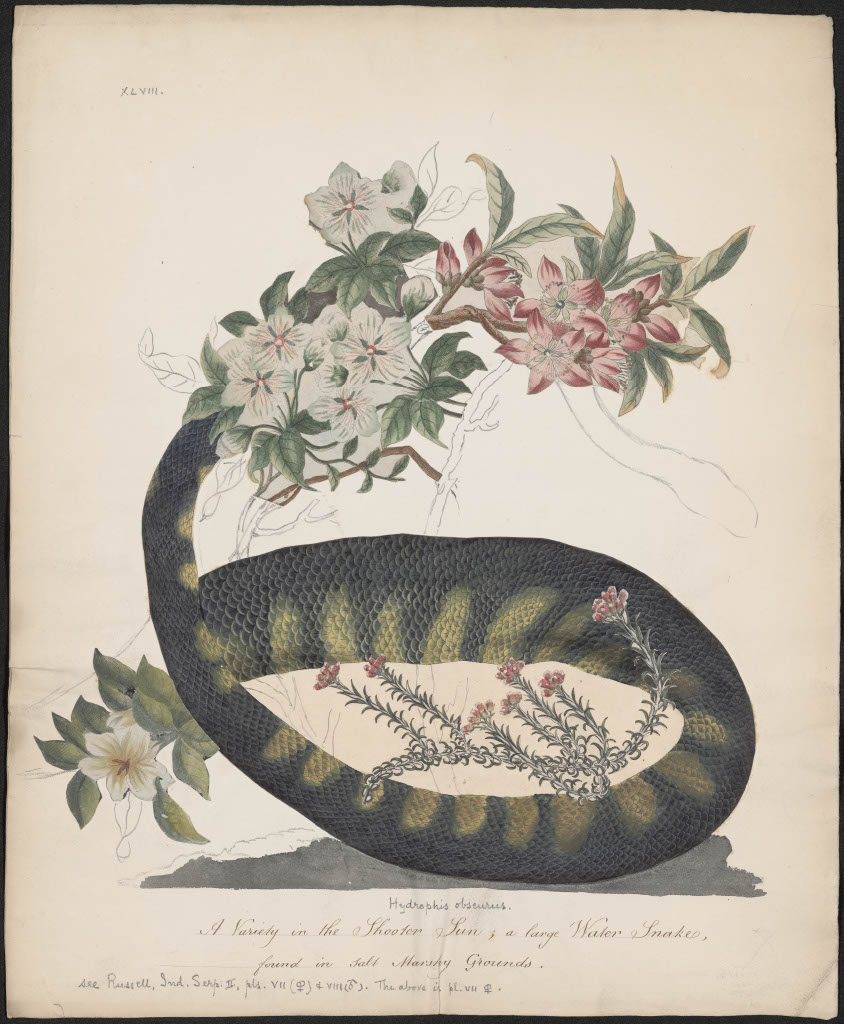
Madison Clyburn has written an essay, which you can read here, entitled “Forbes’ Collage Practice: Techniques and Materials.” The essay traces the origins of mixed media paper based art, which was not called collage until the 20th century. It contextualizes Forbes’ collages, which reflect the 18th-19th-century interest in amateur natural history. His works, often shared with family members, were lap-sized and intended for private enjoyment rather than publication. The essay discusses the techniques, methods, and materials used by contemporaries of Forbes, explaining the most likely ways in which Forbes created his collages.

Categories
India

Essay: Forbes’ Decorative Ecology at the Intersection of Art and Natural History

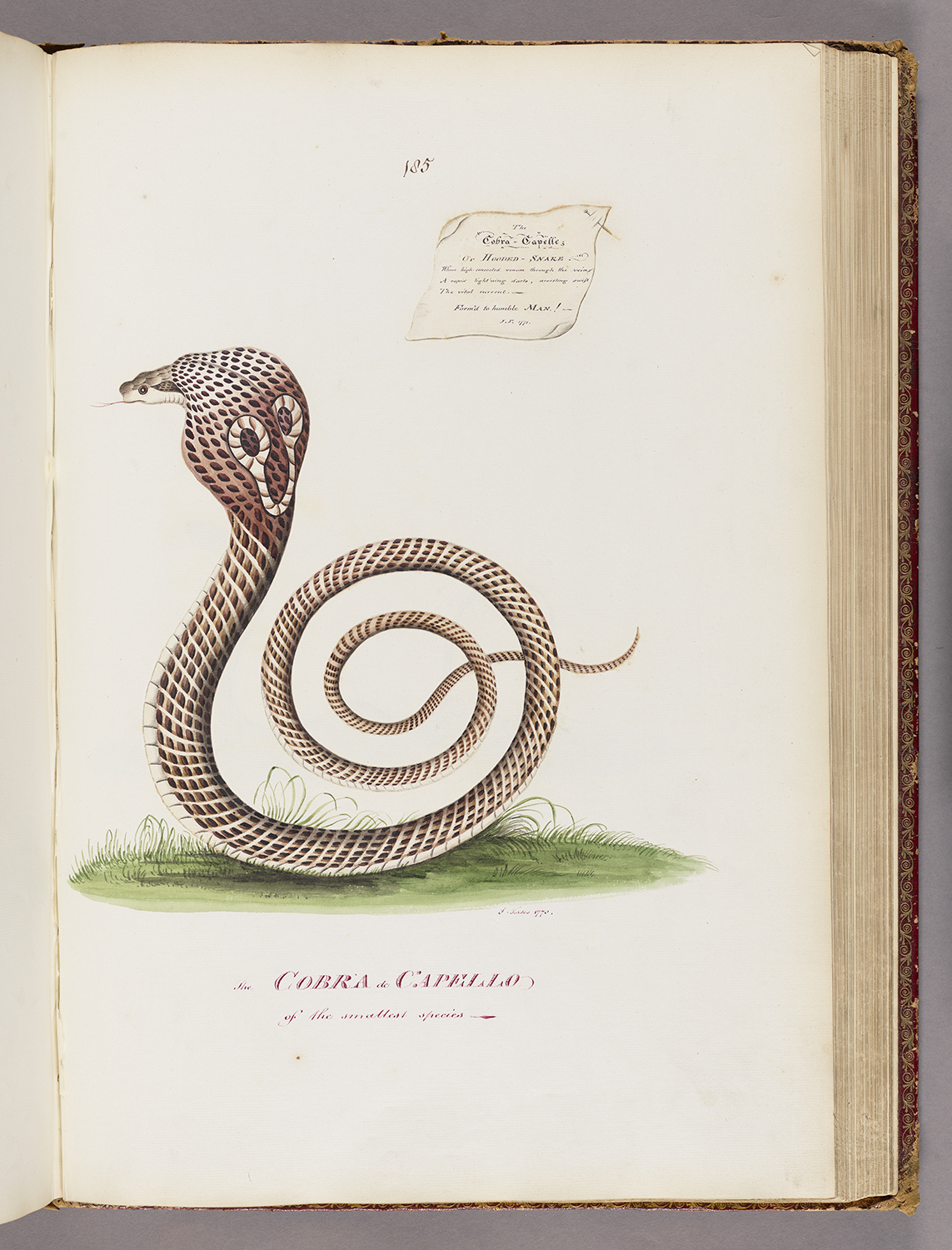
Madison Clyburn has written an essay, which you can read here, exploring the intersection of art and natural history in James Forbes’ collages. Forbes cut, pasted, and adapted illustrations, drawing heavily on the often uncredited artistic contributions of Indian painters. His work embodies both the cultural exchange and the exploitation inherent in colonial interactions, as he reimagined Indian art within a European framework, reflecting the broader imperial practice of extracting and reshaping colonized knowledge and aesthetics for Western consumption.

Categories
India

Essay: Forbes’ Ornamental Feather Art

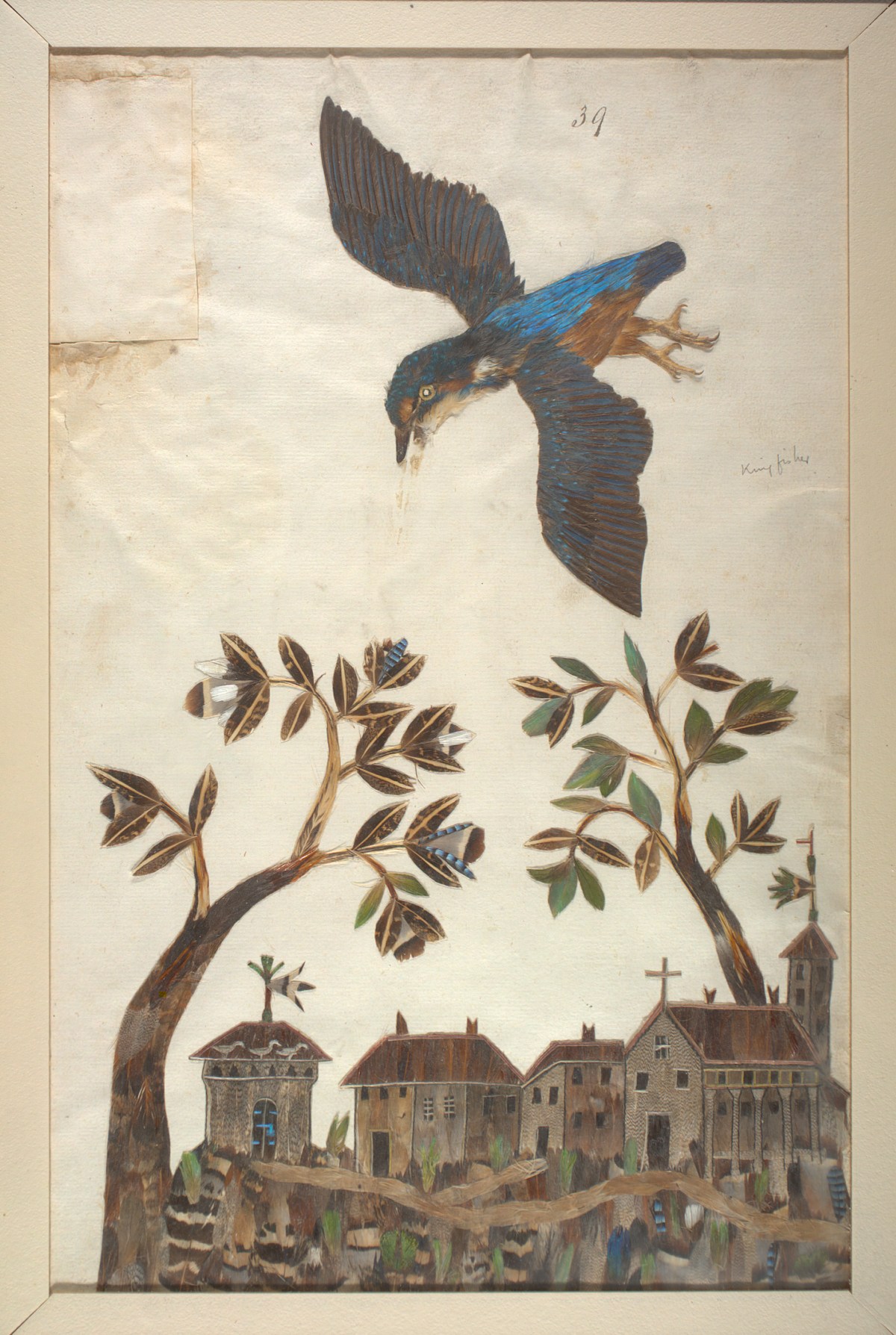
Madison Clyburn has written an essay, which you can read here, entitled “Forbes’ Ornamental Feather Art: Nature Printing as Collage.” The essay discusses how James Forbes’ use of ornamental feather art is part of a longer tradition of featherwork that spans cultures and centuries. Collage techniques were already in use in 12th-century Japan, and feather art was prevalent across various cultures, including Mesoamerica, China, India, and Europe. Featherworks were used for both spiritual and decorative purposes, ranging from peacock feather-adorned musical instruments in India to luxurious feather mosaics in Mesoamerica. Forbes’ feather art exemplifies the European fascination with feathers in the 18th and 19th centuries, which spurred a global feather trade. During this time, nature printing using feathers, butterfly wings, and even fish skins became a popular artistic technique. Nature printing has an enduring appeal which has evolved, through time and across cultures, as both an artistic and ornamental practice.

Categories
India

Essay: Hidden Hands in the James Forbes Archive

Dr. Anna Winterbottom has written an essay, which you can read here, exploring the hidden hands behind James Forbes’ (1749-1819) extensive natural history collections during his time in India. Forbes acknowledges the help of various Indian individuals, but seldom names them, instead identifying them by group identity—servants, enslaved people, and local advisors. While these individuals played key roles in collecting, drawing, and interpreting natural specimens for Forbes, only the names of key figures such as Forbes’ gardener Harabhai, his Muslim servant Mahomet, and his advisor Raji Singh, are known. It highlights how even though Forbes relied on indigenous knowledge and labor to collect and document India’s natural history, his records minimize or obscure their contributions. The involvement of Forbes’ family, especially his sisters and daughter, in his work and legacy is also examined, emphasizing their often unacknowledged efforts in shaping Forbes’ collections and legacy.