Categories
Haiti

Essay: Hidden Knowledge and Labour in de Rabié’s Flap Watercolours

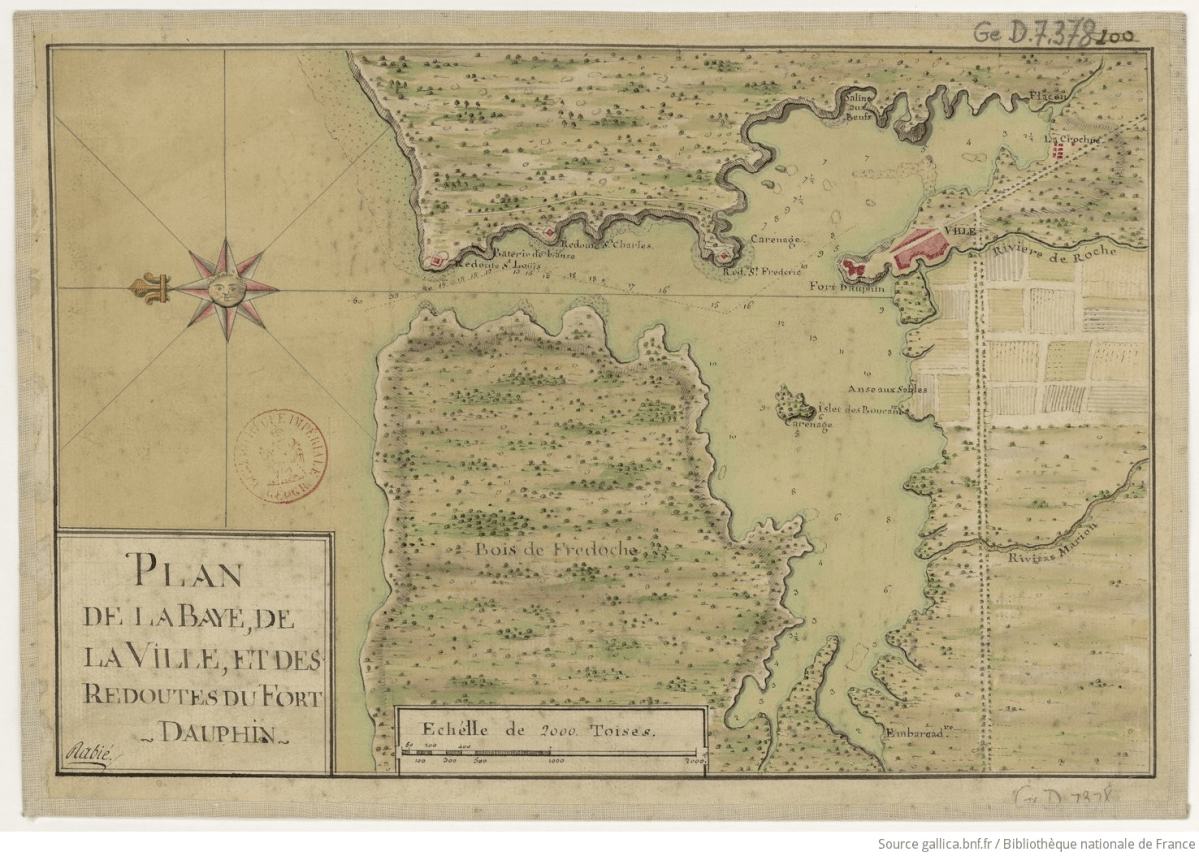
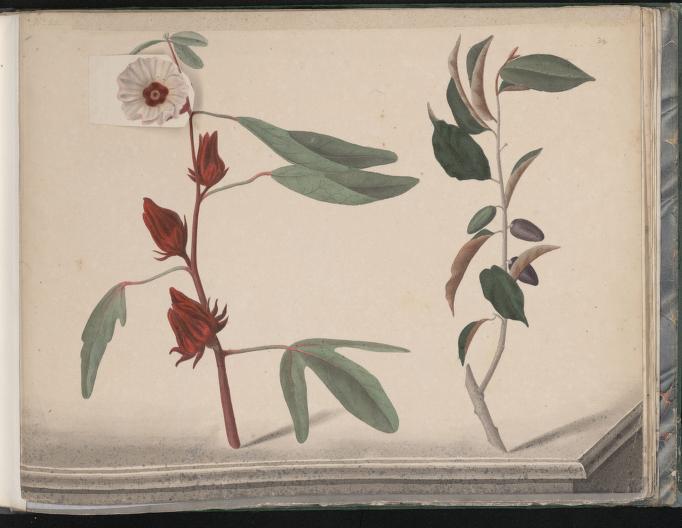
Madison Clyburn has written an essay entitled “Flowers, Forts, and Groves: Hidden Knowledge and Labour in de Rabié’s Flap Watercolours,” which you can read here. The essay discusses René de Rabié’s 1770 painting of the Roselle plant, a species transported from West Africa to the Caribbean through the transatlantic slave trade, using a unique “flap” technique to depict the plant’s flower in bloom. This method, which allows viewers to lift parts of the image to reveal hidden details, was widely used in 18th and 19th-century Europe for educational, moral, and entertainment purposes. De Rabié’s works, including his flap watercolours of plants and architectural plans in Le Cap, demonstrate how such interactive images could document and disseminate information, often concealing the critical knowledge and labor of enslaved people who made these projects possible.
Categories
Haiti

Essay: Fashionable Science and the Hidden Collaboration in de Rabié’s Butterfly Designs

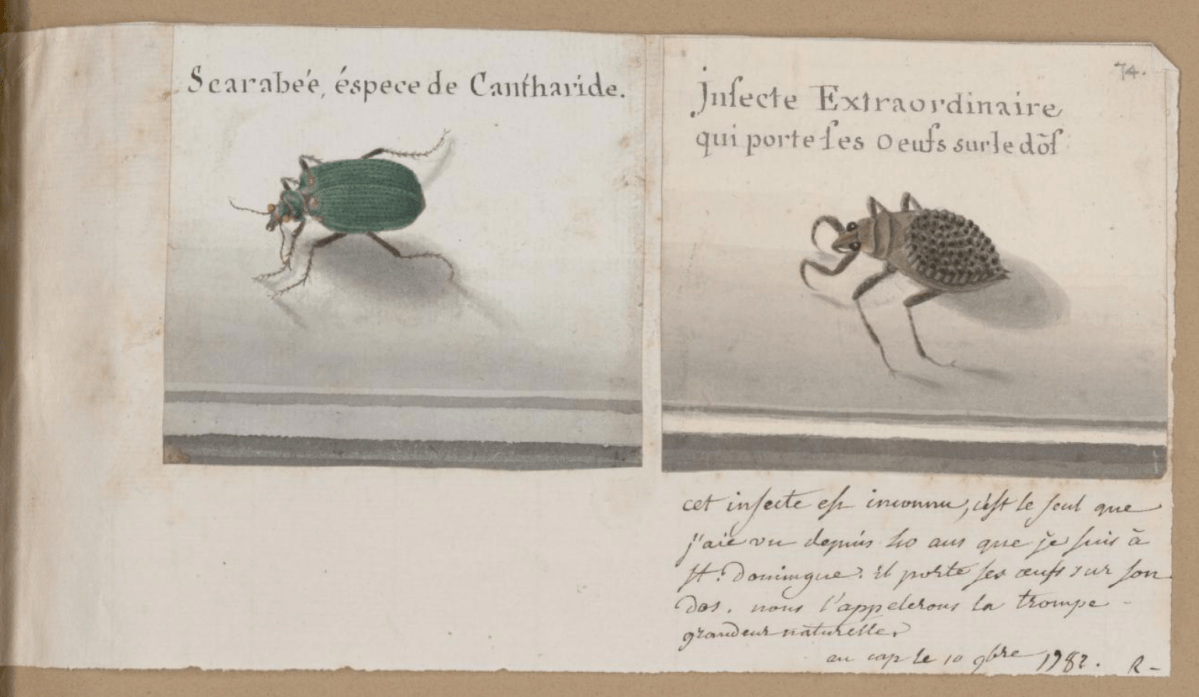
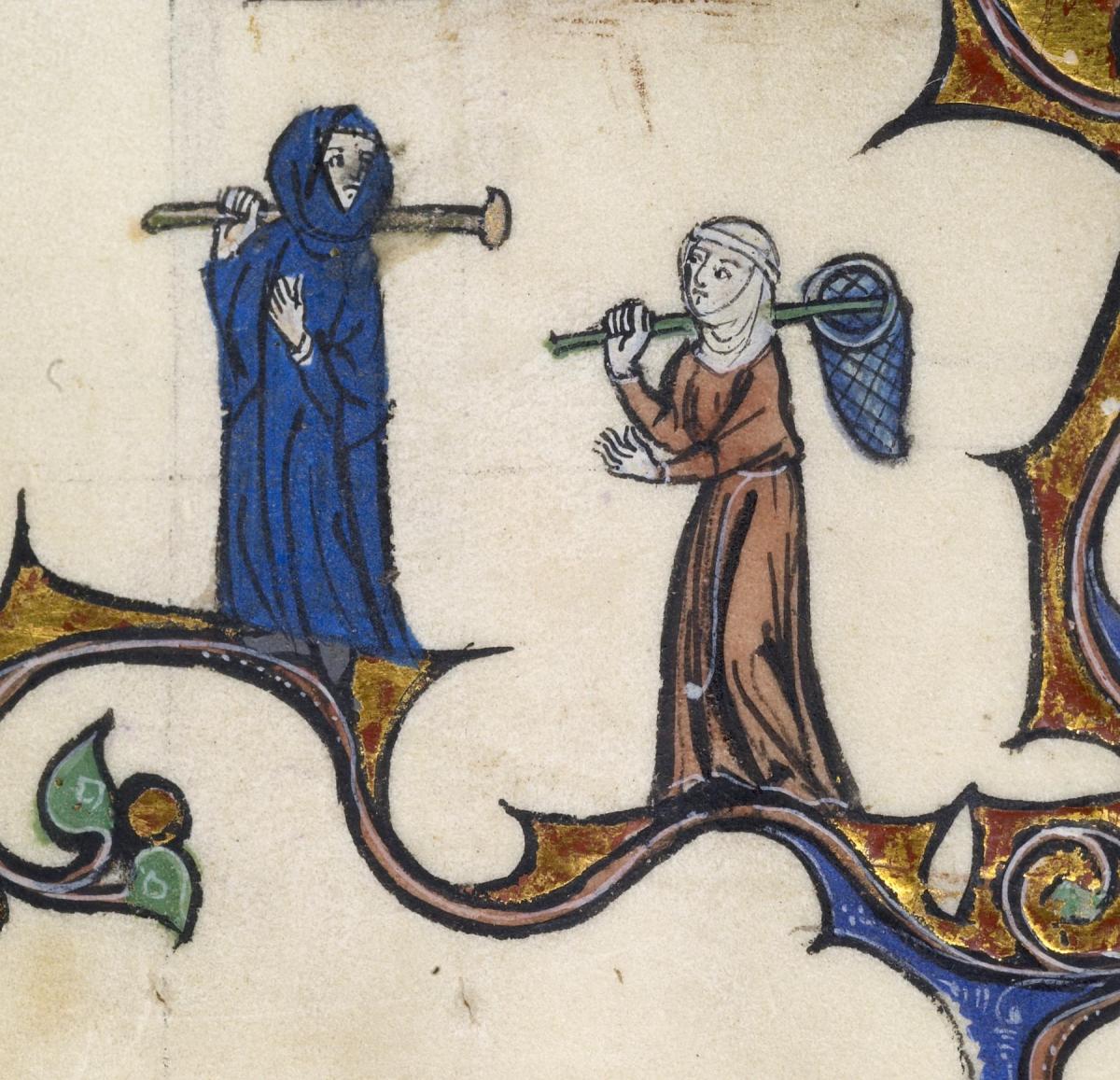
Madison Clyburn has written an essay entitled “Fashionable Science and the Hidden Collaboration in de Rabié’s Butterfly Designs,” which you can read here. The essay explores the work of René de Rabié, an 18th-century French engineer and naturalist in Saint Domingue, who created a collection of butterfly and insect watercolours without using their Linnean names, instead giving them French or Kréyol names inspired by their appearance. Although de Rabié was not a professional naturalist, his collection reflects the fashionable pursuit of documenting nature in his time, often relying on the labor of enslaved individuals to capture and care for the specimens he painted. The essay details the methods used for capturing and preserving butterflies, from nets and poison bottles to raising caterpillars, and considers the hidden collaboration involved in assembling such a natural history collection. It also highlights the practice of lepidochromy, a decorative art using butterfly wings, which de Rabié did not adopt but whose techniques inform our understanding of his artistic process.

Categories
Haiti

Essay: Biography of Jacquette Anne Marie Rabié Paparel de la Boissière

Dr. Victoria Dickenson has written a biographical essay, which you can read here, about Jacquette Anne Marie Rabié Paparel de la Boissière, the eldest daughter of René Gabriel de Rabié.

Jacquette Anne Marie played a pivotal, but hidden role in preserving her father’s work in natural history. Born into a web of familial connections in Saint Domingue, Jacquette married Claude François Paparel de la Boissière, a military captain, and became a widow early in her life. She played a significant role in her father’s natural history work, attempting to preserve his collection amidst the upheavals of the French and Haitian Revolutions. Her resilience and dedication to her father’s legacy endured through her struggles with health and financial difficulties until her death in 1820.

Categories
Haiti

Essay: The Albums of René-Gabriel de Rabié

Dr. Victoria Dickenson has written an essay, which you can read here, that provides a comprehensive account of the preservation and history of René Gabriel de Rabié’s collection of watercolor drawings.

The watercolours were painted between 1767 and 1784 in Saint Domingue, and depict various aspects of natural history. Despite enduring numerous upheavals, including revolutions and wars, the collection remained intact. It was eventually acquired by Casey Wood in 1930, and is now in McGill University’s Blacker Wood Natural History Collection. The meticulous annotations and preservation efforts suggest a collaborative family project, possibly involving de Rabié’s grandson, Armand Gabriel Paparel de la Boissière. The essay traces the journey of the collection, highlighting its significance and eventual public accessibility thanks to the efforts of Dr. Casey Wood.

Categories
Haiti

Essay: The French Colony of Saint Domingue from 1665 to 1804 

Dr. James E. McClellan III has written an essay, which you can read here, about Saint Domingue from the years 1665 to 1804.

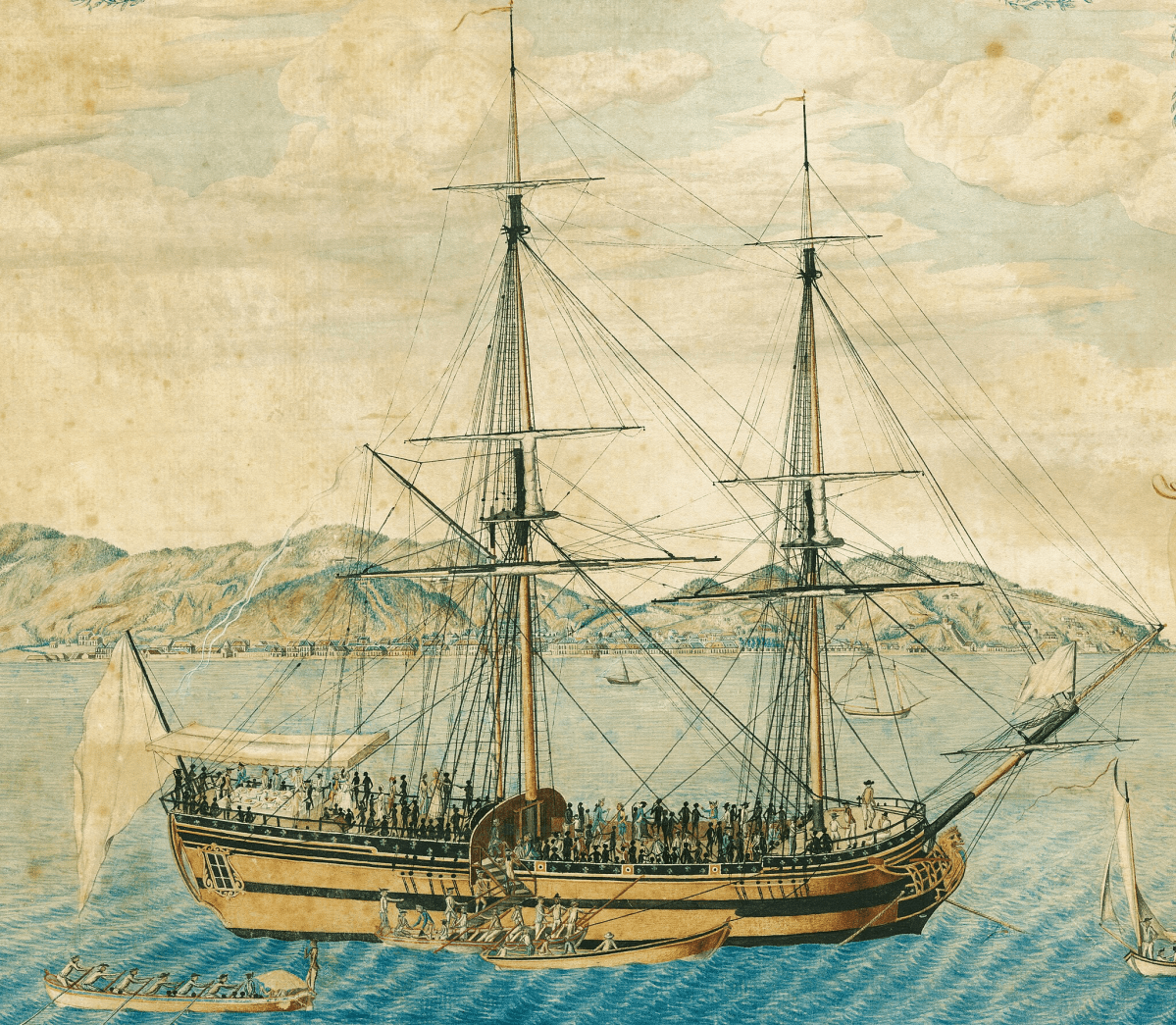
The essay discusses the rise and fall of Saint Domingue, a French colony on the western part of Hispaniola, which was once the wealthiest and most productive European colony, fuelled by intense slave labor primarily in sugar, coffee, cotton, and indigo production. It explores the historical context of colonization, the brutality of slavery, and the economic significance of the colony to France. The essay also highlights the role of specialized knowledge and institutions in colonial development, focusing on René de Rabié, a royal military engineer who contributed extensively to scientific endeavours, particularly in botany and natural history. Despite its economic prosperity, Saint Domingue’s reliance on slavery ultimately led to its demise, culminating in the Haitian Revolution and the creation of the Republic of Haiti.

Categories
Haiti

Essay: The Collections of René-Gabriel de Rabié

Dr. Victoria Dickenson has written an essay, which you can read here, about the posthumous fate of René Gabriel de Rabié’s collection of natural history specimens and drawings from Saint Domingue.

After de Rabié’s death in 1785, his daughter engaged a specialist to inventory the collection, which included mineral specimens, shells, framed butterflies, and even a specimen of a three-toed sloth, among other items. Although the collection of physical objects has disappeared, the watercolour drawings made by de Rabié in Saint Domingue have been preserved and are now at McGill. De Rabié’s daughter tried, to no avail, to sell the drawings to the state in 1811. She or her son later had the collection bound into four albums, but it would be a century until they were acquired, through a British antiquarian bookseller, by Dr. Casey Wood for the Blacker Wood Library in 1930.

Categories
Haiti

Essay: De Rabié Living in a Slave Society

Dr. Victoria Dickenson has written an essay, which you can read here, about the slave society of Saint Domingue that the de Rabié family lived and participated in.

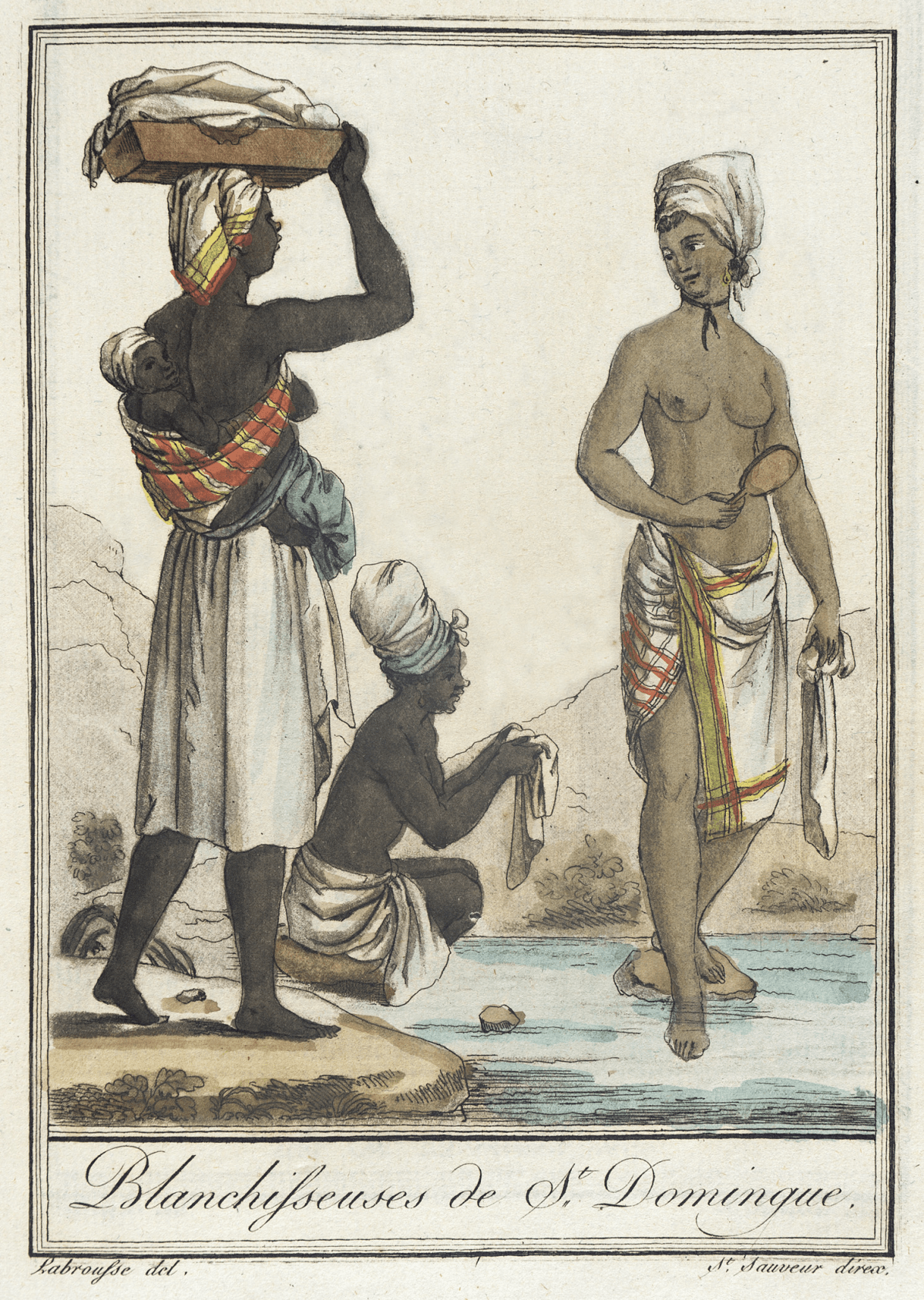
The essay examines the life of René Gabriel de Rabié and his family in 18th-century Saint Domingue, focusing on the families interactions with and reliance on enslaved people within the context of a slave society. It explores how the de Rabié family, despite not owning plantations themselves, benefited from and participated in the system of slavery through ownership of enslaved individuals who served in their household and supported their personal and professional endeavours. The essay also delves into the broader societal dynamics of Saint Domingue, highlighting the extensive use of enslaved labor in various occupations and the integral role enslaved individuals played in the construction of infrastructure and the economy.

Categories
Haiti

Essay: Biography of René-Gabriel de Rabié

Dr. Victoria Dickenson has written a biographical essay, which you can read here, about René-Gabriel de Rabié, royal engineer and naturalist who lived in Saint Domingue.

René Gabriel de Rabié, born in 1717 in Rochefort, France, was trained as a military engineer. After struggling to find a position in France, where the number of candidates vastly outweighed the military engineer positions that were available, he embarked on a career serving in the French colony of Saint Domingue. Here he married Anne Le Bon and had several children, some of whom followed in his footsteps into the military. After decades of service, he was finally able to take desperately needed medical leave and return to France, where he passed away less than a year later in 1785. This examination of de Rabié’s life offers insight into the colonial and military dynamics of the time.